
Description
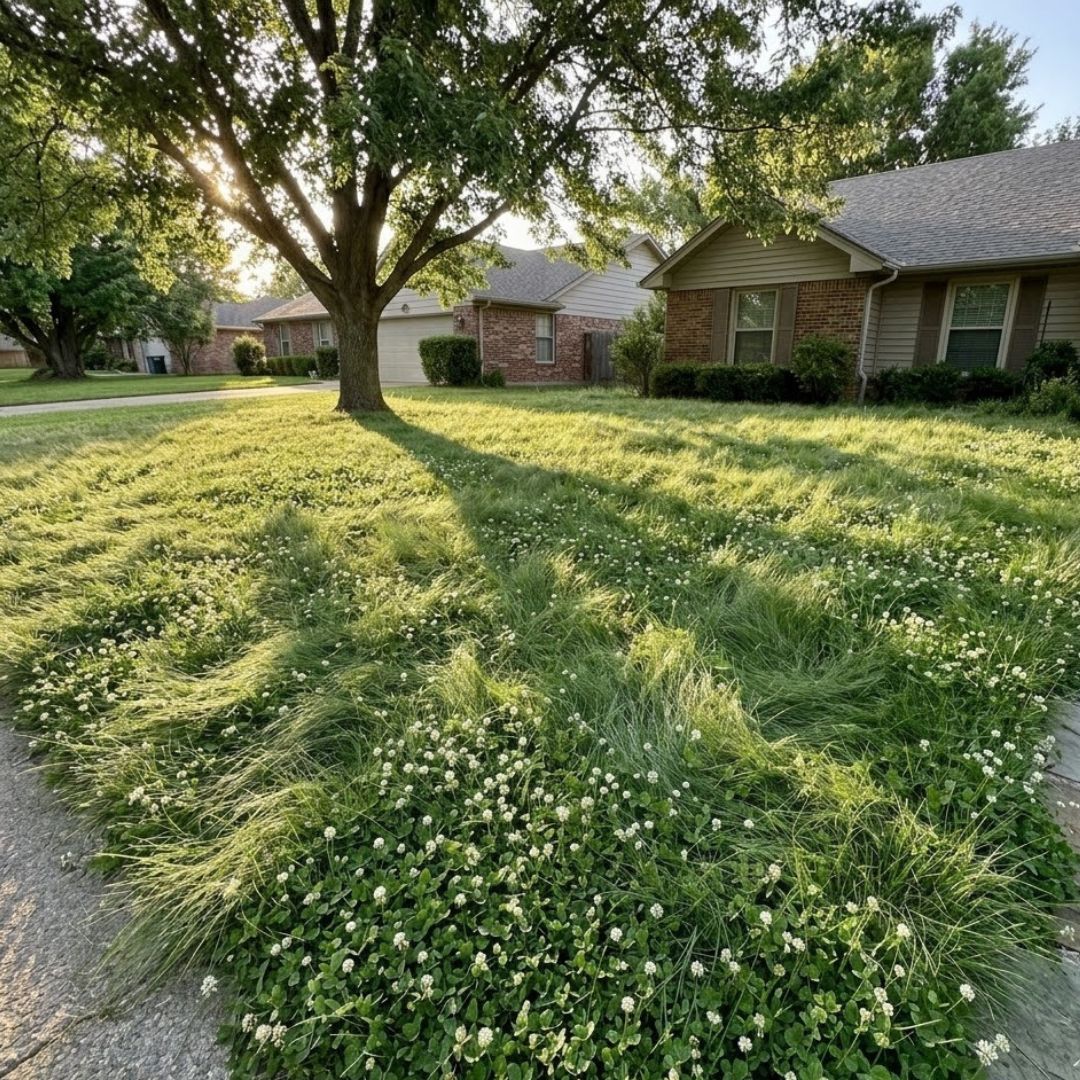
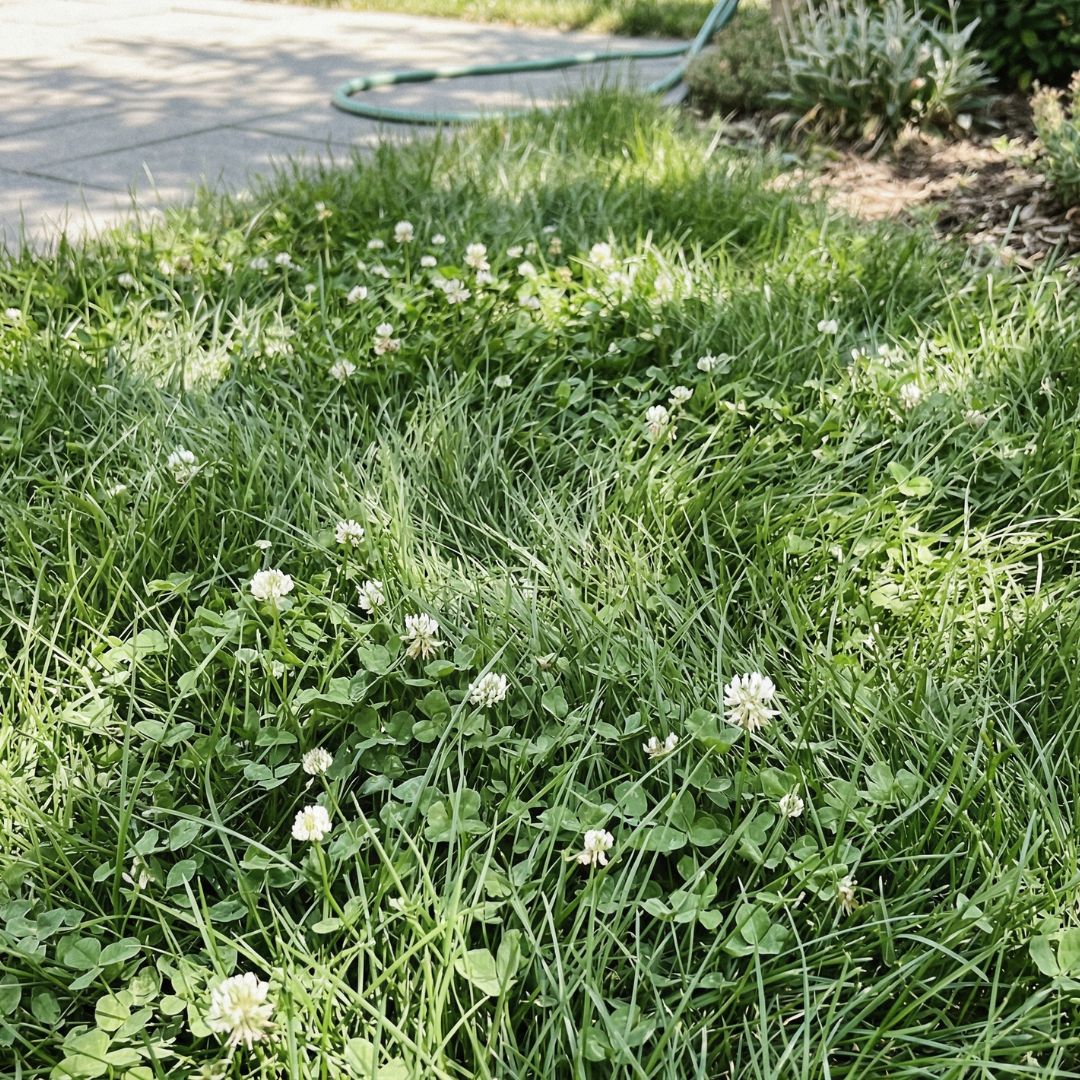
GroundKeep is a premium no-mow lawn mix combining fine fescue with inoculated White Dutch Clover — non-GMO, USA-grown seed that establishes a self-fertilising, 0–2 mow per year lawn across Zones 3–9. Fine fescue provides cool-season structure, shade tolerance, and a fine-bladed texture; white Dutch clover fixes atmospheric nitrogen and maintains lawn fertility without any synthetic fertiliser. Together they create the most maintenance-free cool-season lawn mix available.
GroundKeep Seed Specifications
| Component | Species | Ratio | Germination | Unmowed height | Role | ASPCA |
|---|---|---|---|---|---|---|
| Fine Fescue blend | Festuca spp. (Creeping Red, Chewings, Sheep) | Primary | 7–14 days | 3–5 inches | Structural backbone; fine-bladed texture; shade tolerant; naturally low-growing; drought tolerant once established | Non-toxic |
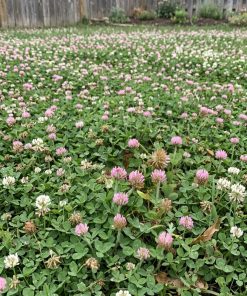
| White Dutch Clover (inoculated) | Trifolium repens | Companion | 7–14 days | 6–8 inches unmowed | Nitrogen fixation ( N/1,000 sq ft/yr); stolon self-repair of bare patches; pollinator forage for 80+ bee species; white globe bloom May–Sep | Non-toxic |
ASPCA confirmed: Both fine fescue and Trifolium repens are non-toxic to dogs, cats, and horses per ASPCA Animal Poison Control.
Why Choose GroundKeep No-Mow Lawn Mix
Fine fescue and white Dutch clover share almost exactly the same maintenance profile. Fine fescue tops out at 3–5 inches unmowed, tolerates 0–2 mows per year, requires no nitrogen fertiliser, performs in part shade down to 3 hours of direct sun, and is established in one season. UMN Extension documents fine fescue lawns as requiring 50–75% less water than Kentucky Bluegrass after establishment. White Dutch clover fixes 1– of nitrogen per 1,000 sq ft per year through Rhizobium root nodules, self-repairs worn patches through stolon growth, and blooms May through September providing pollinator forage for 80+ native bee species.
The clover content is precision-calibrated for the fescue to remain dominant. White Dutch clover seed is significantly smaller and lighter than fine fescue seed — approximately 800,000 seeds per lb vs 450,000 for fine fescue. This means a small amount of clover by weight delivers a meaningful clover presence by plant count in the established lawn — exactly the density UMN Extension recommends for maximum nitrogen fixation without clover outcompeting the fescue. Too little clover and there is not enough density to maintain a self-sustaining nitrogen cycle. Too much and clover can dominate the fescue in the establishment year, tipping the balance away from the low-growing, grass-textured appearance GroundKeep is designed to deliver.
The white Dutch clover in GroundKeep is inoculated — coated with live Rhizobium leguminosarum bacteria prior to packaging. Inoculation is essential: without the correct Rhizobium strain present in the soil, white clover cannot form the root nodules that enable nitrogen fixation. In soils that have not previously grown clover, un-inoculated seed may establish visually but deliver little or no nitrogen benefit. Inoculated seed establishes the nitrogen-fixing symbiosis from the first season.
Best Uses for GroundKeep No-Mow Lawn Mix
| Application | Performance | Notes |
|---|---|---|
| No-mow or 0–2 mow per year lawn | Excellent | The primary use case. Fine fescue tops out at 3–5 inches unmowed. White Dutch Clover stays below fescue at mowing height. Mow 0–2 times per year or leave entirely. No fertiliser, no irrigation after establishment. |
| Drought-tolerant lawn — significantly less water | Excellent | Fine fescue deep-root system accesses moisture below the surface. Established GroundKeep requires far less water than Kentucky Bluegrass. Survives 3–4 weeks without rain by going dormant then recovering. |
| Part shade — down to 3 hours sun | Excellent | Fine fescue is the most shade-tolerant cool-season grass. Best no-mow option for lawns under light tree canopy, north-facing slopes, and shaded buildings. White Dutch Clover requires a minimum of 3 hours direct sun. |
| Eliminating lawn fertiliser entirely | Excellent | Inoculated White Dutch Clover fixes N/1,000 sq ft/year via Rhizobium root nodules. Fine fescue needs no additional nitrogen. Fully self-fertilising from year one. Most customers eliminate all synthetic fertiliser permanently. |
| Pet-friendly lawn | Excellent | Both species ASPCA non-toxic. Soft underfoot. White Dutch Clover stolons self-repair worn patches. Handles moderate pet traffic well. |
| Zone 8–9 warm-season lawns | Not ideal | Fine fescue goes semi-dormant in Zone 8+ summer heat. For warm zones, consider a pure clover alternative — see HearthClover White Dutch or StrawberryField Strawberry Clover. |
| High-traffic or sports areas | Not ideal | Fine fescue handles light to moderate foot traffic. For daily heavy-use areas see CloverSport High Traffic Mix. |
Zone & Climate Compatibility
| Zone | Performance | Notes |
|---|---|---|
| Zone 3–5 | Excellent | Both species cold-hardy. Fine fescue semi-evergreen through mild winters. Longest no-mow performance in cool northern zones. Seed Apr–May or Aug–Sep. |
| Zone 5b–7 | Excellent | Peak performance. Fall seeding (Aug–Sep) preferred for strongest first-season establishment. Full coverage by spring. |
| Zone 7b–9 | Marginal | Fine fescue goes semi-dormant in summer heat above Zone 7b. White Dutch Clover continues but cannot sustain the stand alone. For warm-season zones choose a clover-only product instead. |
How to Plant GroundKeep No-Mow Lawn Mix
Both species germinate in 4–5 days at soil temperatures of 50–65°F. Fall seeding (Aug–Sep) gives the strongest first-season establishment in most zones. Spring seeding (Apr–May) works well in Zones 3–5.
- Prepare or mow short. For bare soil, rake smooth and firm lightly. For overseeding, mow existing grass to 1–1.5 inches and remove clippings to expose the soil surface.
- Broadcast at the surface. Sow per 1,000 sq ft for new lawns. For overseeding, sow per 1,000 sq ft. Do not bury — both species require light soil surface contact to germinate.
- Rake lightly for soil contact. A single pass with a leaf rake is sufficient. Do not cover deeply.
- Water lightly and consistently. Keep the surface moist with two light waterings per day for the first 5–7 days. MicroClover germinates first and protects the seedbed while fescue roots in. Do not let the surface dry between waterings.
- Hold mowing for 6–8 weeks. Allow both species to establish before the first mow. Set blades to 3–4 inches minimum. Never scalp a fine fescue lawn.
- Mow 0–2 times per year thereafter. Fine fescue naturally tops out at 4–8 inches. Mow once in late spring after clover bloom and once in early autumn if a tidy appearance is wanted. Do not mow below 3 inches.
Full establishment guide and zone-by-zone timing in our No-Mow Lawn Guide and Alternative Lawn Guide →
Sources
- UMN Extension — Fine Fescue Lawns (water reduction, mowing requirements, shade tolerance): extension.umn.edu
- UMD Extension — White Clover in Lawns (nitrogen fixation, fertiliser elimination): extension.umd.edu
- Penn State Extension — Low-Input Lawn Management (fine fescue + clover combination, legume establishment benefit): extension.psu.edu
- ASPCA Animal Poison Control — Fine fescue and Trifolium repens non-toxicity: aspca.org
Related guides:
Single-species clover:
StrawberryField Strawberry Clover
Multi-clover blends:
Clover-grass mixes: