
Lawns that stay green on less water
Deep-rooting, low-water seed for dry climates, water restrictions, and xeriscapes.
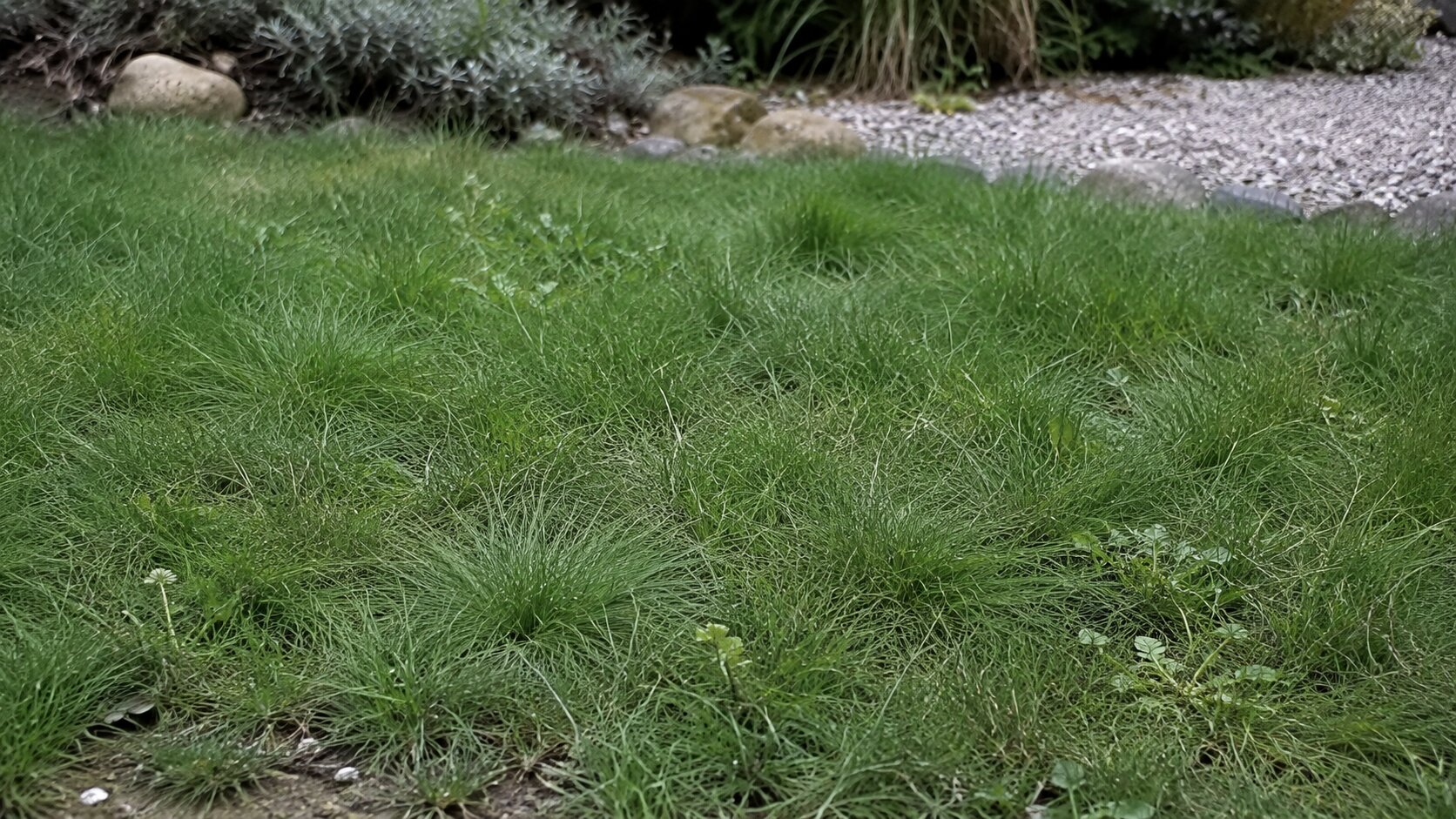
The short version
Drought-tolerant lawns use deep-rooted, low-water species that stay green on a fraction of the usual irrigation. This collection gathers drought-rated fine fescues, native buffalo grass, and heat-tolerant clovers.
What’s in the drought collection
The drought performers here fall into two camps: deep-rooted fine fescues (including TWCA drought-rated selections) for cool climates, and native warm-season grasses like buffalo grass for hot, dry regions. Heat- and salt-tolerant strawberry clover partners both.
These species conserve water through deep roots and fine, waxy foliage, and many go summer-dormant in extreme heat, greening up again when cooler, wetter weather returns.
Not sure yet? Read the Best for Drought guide before you buy.
Compare the options
| Product | Sun | Zones | Water | Traffic | Pet-safe |
|---|---|---|---|---|---|
| DroughtGuard | Full sun to part shade | 3–7 | Low | Low | Yes |
| StrawberryField Strawberry Clover Lawn Seeds | Full sun to part shade | 3–9 | Low | High | No |
| BuffaloLawn | Full sun | 4–8 | Low | Moderate | Yes |
| Coastal & Salt-Tolerant Mix | Full sun to part shade | 3–7 | Low | Low | No |
| Low-Water Xeriscape Mix | Full sun to part shade | 3–7 | Moderate | Low | Yes |
| Hard Fescue Seed | Full sun to part shade | 3–7 | Low | Low | Yes |
| SheepGuard Sheep Fescue Lawn Seed | Full sun to part shade | 3–7 | Low | Low | Yes |
Sun, zones, water and traffic come directly from each product’s growing specs. Unsure? The Lawn Finder matches these to your yard in under a minute.
Popular picks in this collection
These are available now; the full range appears in the grid below once you browse the collection.
Choosing for your climate
In cool and temperate climates, a drought-rated fine fescue is the go-to. In hot, dry regions, native buffalo grass needs the least water of all. For coastal or saline ground, the wet-and-saline clover blend adds tolerance most lawns lack.
Establish any drought lawn with regular water, then transition to deep, infrequent irrigation to drive roots down.
Common questions
How much water do these lawns need?
Far less than conventional turf once established — often only occasional deep watering, and some survive on rainfall in their native range.
Will a drought lawn stay green all summer?
Many go dormant and brown in extreme heat, then recover; this is normal and healthy, not death.
What is TWCA?
The Turfgrass Water Conservation Alliance rates cultivars for drought performance; TWCA-qualified fescues are selected for low water use.
Start with the proven performers.
DroughtGuard and StrawberryField Strawberry Clover Lawn Seeds are the most-chosen options here. Not sure they fit your yard? The Lawn Finder checks sun, traffic, water and zone for you.
Related collections
30-day returns on unopened seed · Ships across the US · Refund & returns policy
Your drought lawn may qualify for a turf-replacement rebate.
In much of the West, water agencies pay $1–7 per square foot to replace thirsty turf — often covering the whole seed cost. We check your eligibility and handle the paperwork.