Description
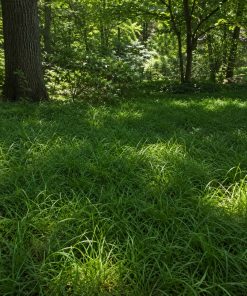
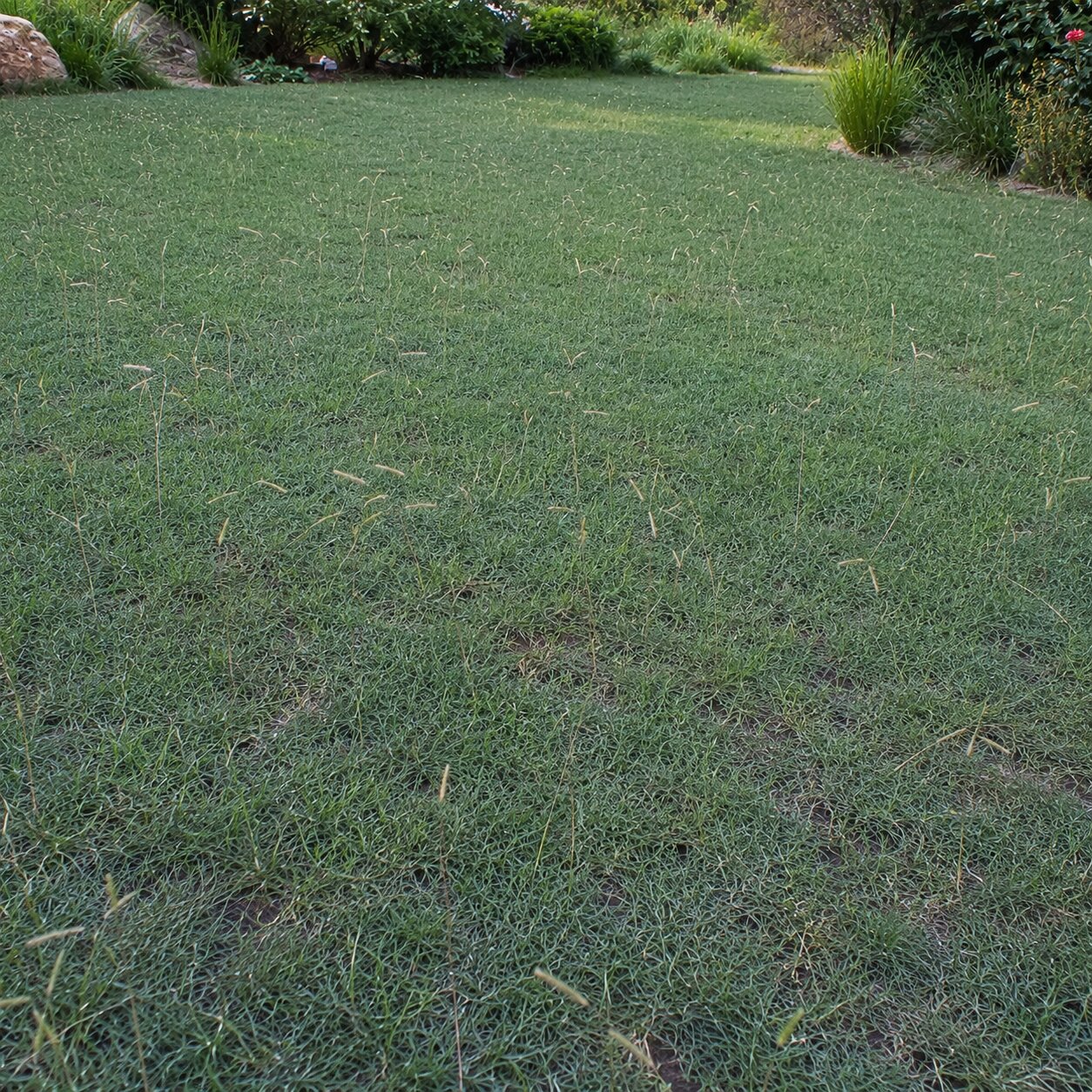
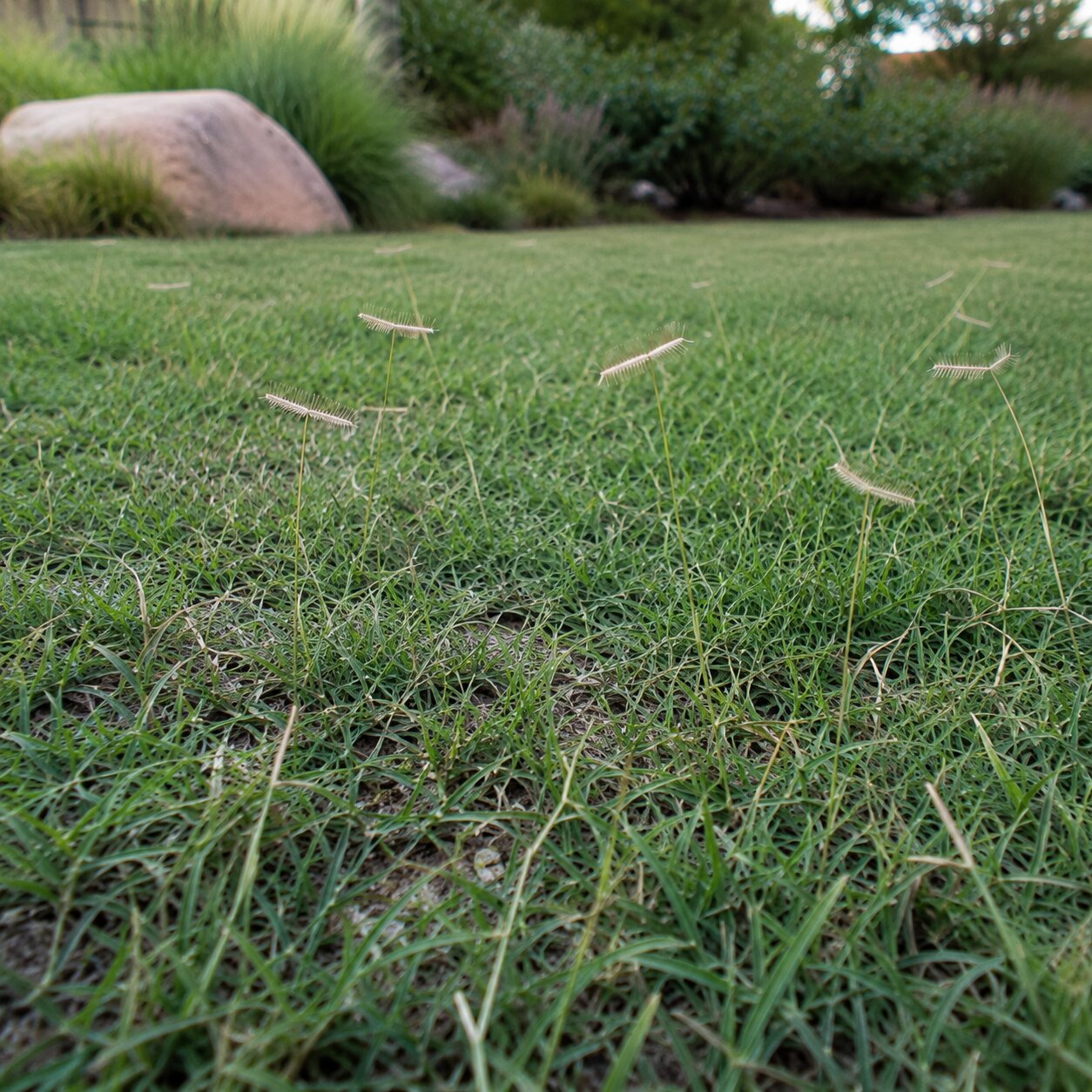
Blue Grama (Bouteloua gracilis) is a resilient native prairie grass that shrugs off heat and drought and can be left unmown as an ornamental meadow-lawn. Its fine foliage and charming horizontal eyelash seed heads make it as decorative as it is tough.
Seed specifications
| Species | Common name | Leaf / blade | Zone | Height | Bloom | ASPCA |
|---|---|---|---|---|---|---|
| Bouteloua gracilis | Blue grama | Fine blade | 3–10 | 8–15 in unmowed | Eyelash seedhead | Non-toxic |
Why choose Blue Grama Grass Seed
Blue grama is a warm-season grass native across much of North America, valued for exceptional drought and heat tolerance. The USDA PLANTS database records its wide native range and low moisture needs; once established it survives on rainfall alone in many regions.
It forms a fine, low turf and carries distinctive one-sided, horizontal seed heads that look like tiny eyelashes or combs — a signature ornamental feature when the grass is left unmown as a native meadow-lawn. It can also be mown low for a more conventional lawn look.
As a warm-season native it greens up in heat and goes dormant in cold, and it establishes best sown into warm soil in late spring or early summer. Expect a patient first year while it builds roots, then a fuller stand in Year 2.
Best uses
| Application | Suitability | Notes |
|---|---|---|
| Low-water native lawns | Excellent | Extremely drought-tolerant once established. |
| Meadow and prairie lawns | Excellent | Attractive left unmown with eyelash seed heads. |
| Hot, dry, poor soils | Very Good | Native to lean, dry ground. |
| Pollinator and wildlife plantings | Very Good | Native habitat value. |
| Low-mow lawns | Excellent | Mow rarely or leave as meadow. |
| Cool, wet, shaded lawns | Moderate | Warm-season and sun-loving; slow to start. |
Native warm-season vs cool-season grass
| Property | Blue grama (native) | Cool-season grass |
|---|---|---|
| Water | Very low once established | Higher |
| Season | Warm-season; dormant in cold | Cool-season; grows spring/fall |
| Mowing | Low or none | Regular |
| Look | Fine, eyelash seed heads | Uniform turf |
| Habitat | Native, supports wildlife | Limited |
Zone & climate compatibility
| Zone | Performance | Notes |
|---|---|---|
| Zone 4–6 | Very Good | Establishes in warm soil; goes dormant and browns over winter, greening up in late spring. |
| Zone 7–9 | Excellent | Ideal range for heat and drought tolerance with minimal water. |
| Zone 9–10 | Very Good | Strong in heat; give it full sun and lean, well-drained soil. |
How to sow Blue Grama Grass Seed
- Prepare bare, firm soil. Clear competing weeds and rake to a fine, firm seedbed; native grasses need good seed-to-soil contact.
- Sow warm. Broadcast after the soil has warmed in late spring or early summer at about per 1,000 sq ft, then rake in lightly and firm the surface.
- Water to establish. Keep the seedbed moist until seedlings emerge (germination can be slower than cool-season grass), then taper watering as roots go deep.
- Be patient in Year 1. Native grasses build roots first; full top cover often comes in the second season.
- Mow high or not at all. Leave unmown as a meadow-lawn, or mow to 2–3 in a few times a season for a tidier look.
- Sow late spring to early summer when soil is 60–70°F and frost risk has passed.
Care & maintenance
- Water little once established; deep roots make these grasses very drought-tolerant.
- Mow high or leave unmown for a meadow look; cut a few times a season only if you want it tidy.
- Avoid rich feeding; natives thrive on lean soil and low inputs.
- Expect dormancy — warm-season natives brown in cold and green up in late spring.
Sources
- USDA PLANTS Database — species profile: plants.usda.gov
- Colorado State University Extension — native grasses: extension.colostate.edu
- Xerces Society — native ground covers: www.xerces.org
Related native seed: Rootnative Native Grass Wildprairie Tall Native Grass Buffalolawn Pure Native Buffalograss
Explore more: Shop all eco-lawn seed Compare seed by need