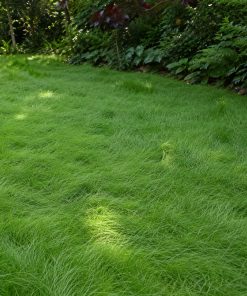
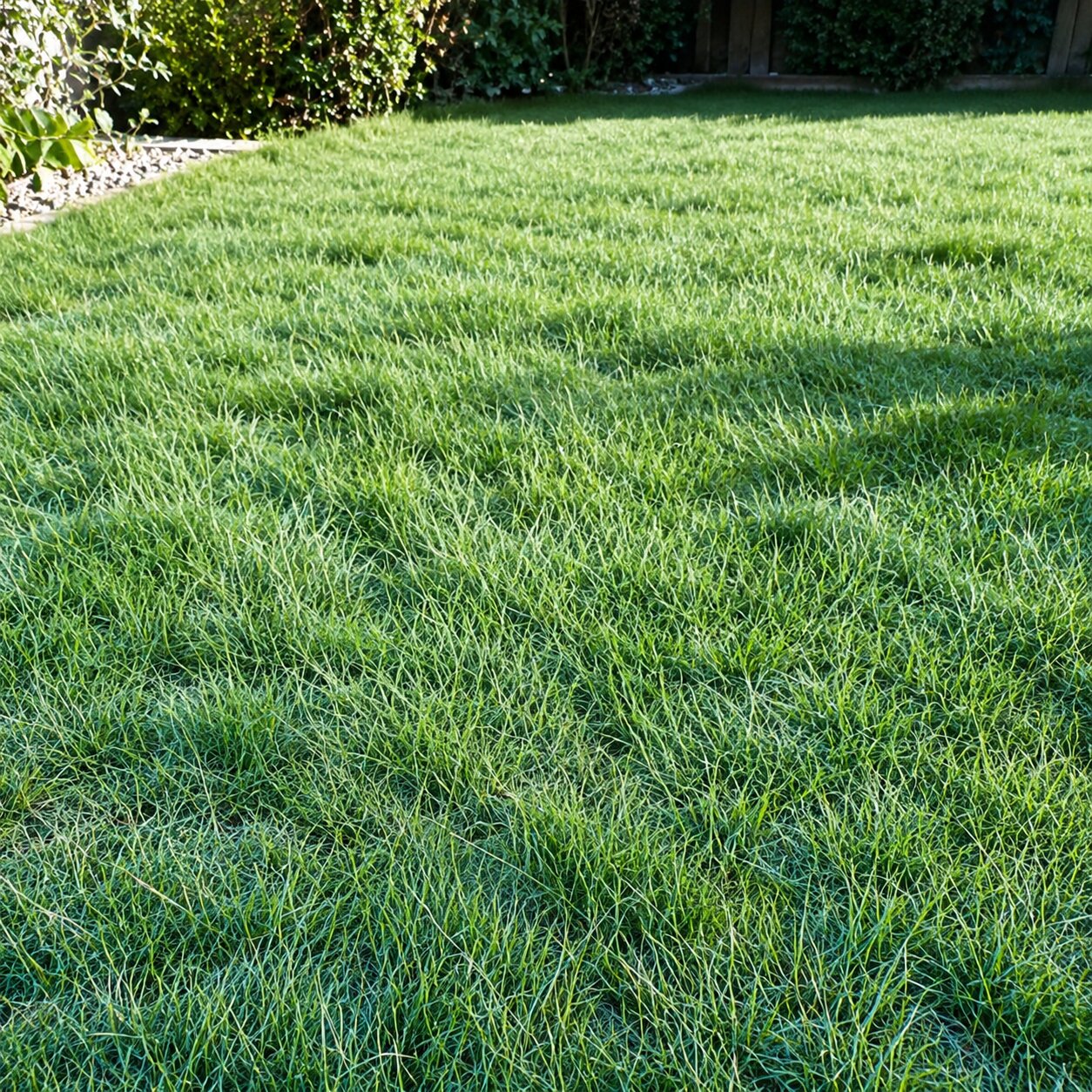
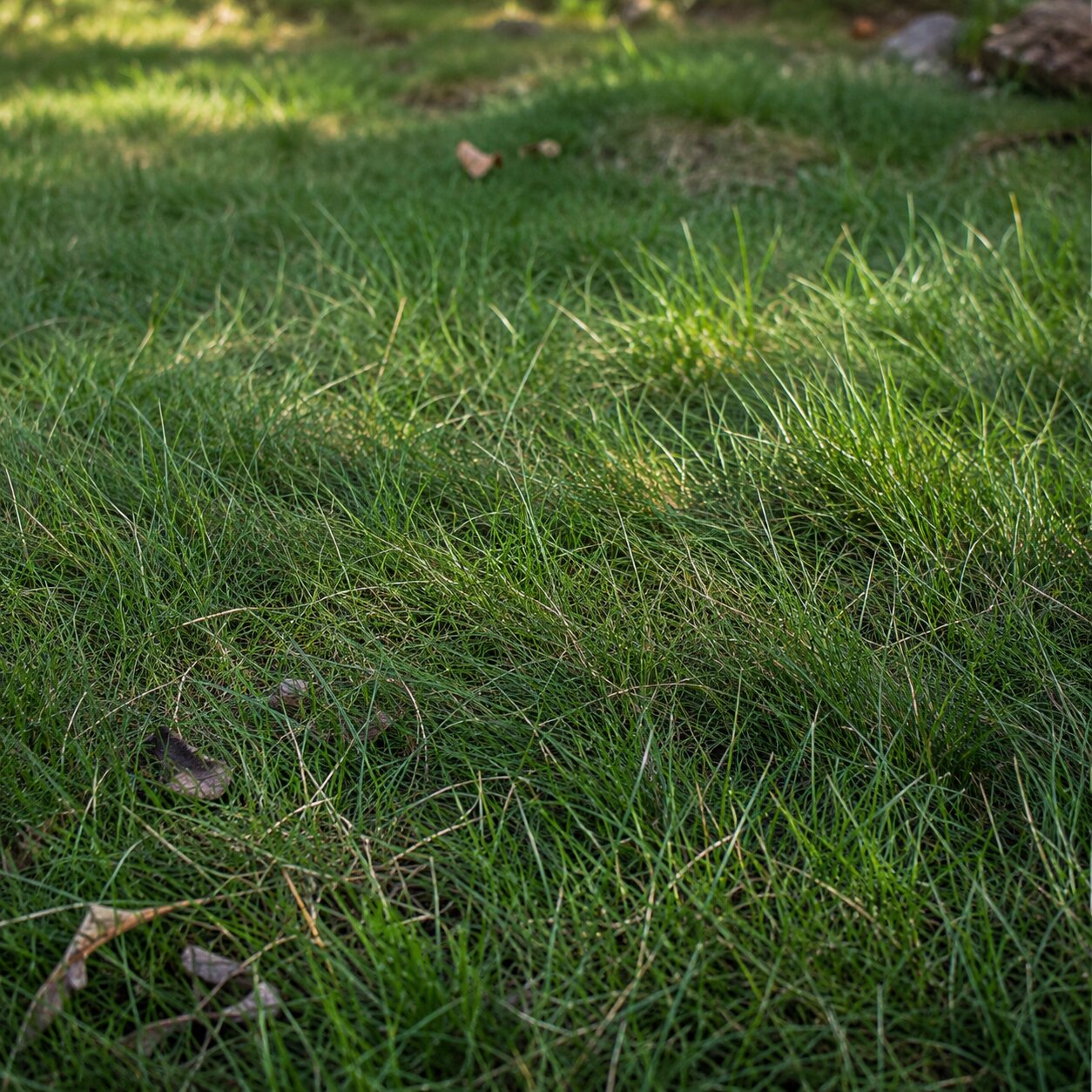

Description
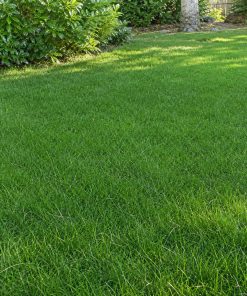
Hard Fescue (Festuca brevipila) is the drought champion of the fine fescues. It forms a dense, fine, blue-green turf that tolerates drought, poor soil, and part shade with minimal inputs, and its slow growth means you rarely reach for the mower.
Seed specifications
| Species | Common name | Leaf / blade | Zone | Height | Bloom | ASPCA |
|---|---|---|---|---|---|---|
| Festuca brevipila | Hard fescue | Fine blade | 3–8 | 6–10 in unmowed | Insignificant | Non-toxic |
Why choose Hard Fescue Seed
Hard fescue is the most drought- and heat-tolerant of the fine fescues, with a deep root system and fine, waxy, blue-green blades. Oregon State University rates fine fescues highly for low-input performance, and hard fescue leads the group for tolerating dry, lean, and neglected sites.
It grows slowly and stays low, which means infrequent mowing, and it competes well against weeds without fertiliser. That combination — low water, low feed, low mow — makes it a mainstay of genuine low-input and no-mow lawns.
Use it as a stand-alone fine lawn or as the backbone of a low-input blend. It tolerates part shade well and resents close mowing, so keep the blade high. It is not built for hard sports wear.
Best uses
| Application | Suitability | Notes |
|---|---|---|
| Low-input and low-mow lawns | Excellent | Slow, fine growth needs little mowing. |
| Drought-prone and poor soils | Excellent | Deep roots and low water needs. |
| Part shade | Very Good | More shade-tolerant than most lawn grasses. |
| Blending into eco-lawn mixes | Very Good | A tough, fine backbone species. |
| Lean, sandy ground | Very Good | Thrives without feeding. |
| Heavy-traffic sports turf | Moderate | Fine texture is not built for hard wear. |
The three fine fescues at a glance
| Property | Hard fescue | Creeping red fescue | Chewings fescue |
|---|---|---|---|
| Habit | Dense bunch | Spreading (rhizomes) | Dense bunch (upright) |
| Drought tolerance | Excellent | Good | Good |
| Shade tolerance | Good | Excellent | Very good |
| Texture | Fine, blue-green | Fine, soft | Fine, upright |
| Best for | Lean, dry, low-input | Shade and knitting-in | Fine, refined turf |
Zone & climate compatibility
| Zone | Performance | Notes |
|---|---|---|
| Zone 3–5 | Excellent | Cold-hardy; sow Apr–May once soil hits ~50°F. Stays fine and tight in cool seasons. |
| Zone 5b–7 | Excellent | Best overall performance. Autumn sowing (Aug–Sep) gives the strongest first-season stand. |
| Zone 8–9 | Very Good | May idle in peak summer heat and recover in autumn; a light autumn overseed keeps density. |
How to sow Hard Fescue Seed
- Prepare a firm, weed-free seedbed. Rake to a fine, level surface, clearing debris and breaking any crust so seed meets soil.
- Sow at 4– per 1,000 sq ft for a new fine-fescue lawn (about half that to overseed), cross-sowing for even cover.
- Rake in lightly and firm. Barely cover the fine seed and roll or tamp for good seed-to-soil contact.
- Keep the surface moist. Water lightly once or twice a day until germination, usually within 7–14 days.
- Mow high once established. Wait until seedlings reach 3–4 in, then keep the mower at 3–4 in; fine fescues resent close mowing.
- Sow in early autumn or spring into soil around 50–65°F for the strongest first-season stand.
Care & maintenance
- Mow at 3–4 in. Fine fescues resent close mowing; taller is healthier and more drought-proof.
- Feed little, if at all. Fine fescues are low-input and can thin under heavy nitrogen.
- Water deeply and infrequently once established; they tolerate dry spells and often go summer-dormant, then recover.
- Overseed thin spots in autumn to keep density in shade or wear areas.
Sources
- Oregon State University — fine fescues: extension.oregonstate.edu
- University of Minnesota Extension — fine fescue lawns: extension.umn.edu
- Penn State Extension — low-maintenance turf: extension.psu.edu
- USDA PLANTS Database: plants.usda.gov
Related fescue seed: Shadecraft Fine Fescue Lawn NoMowLawn No-Mow Eco-Lawn Droughtguard TWCA Drought Fine Fescue
Explore more: Shop all eco-lawn seed Compare seed by need