
Description
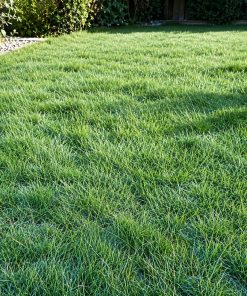
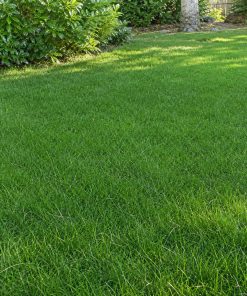
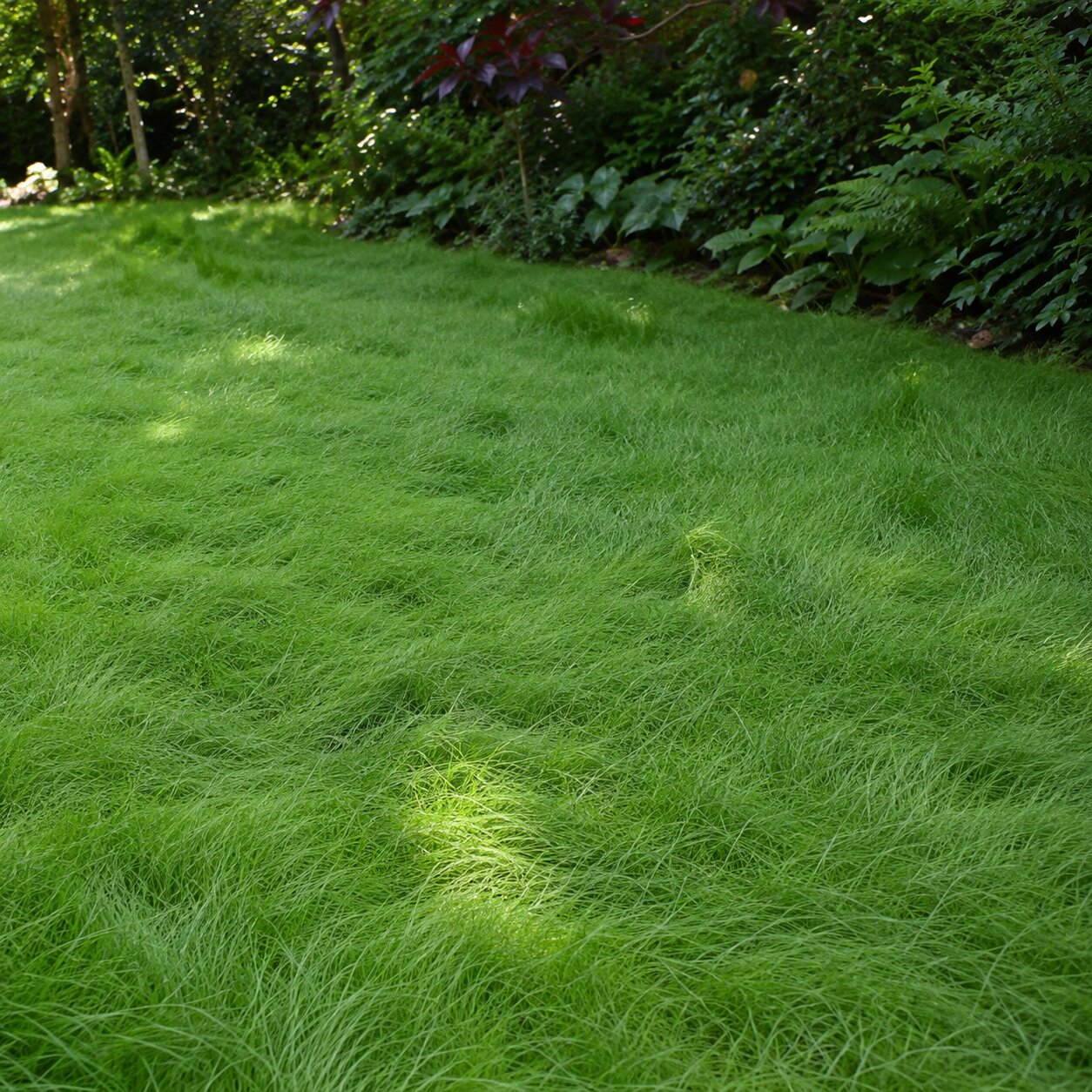
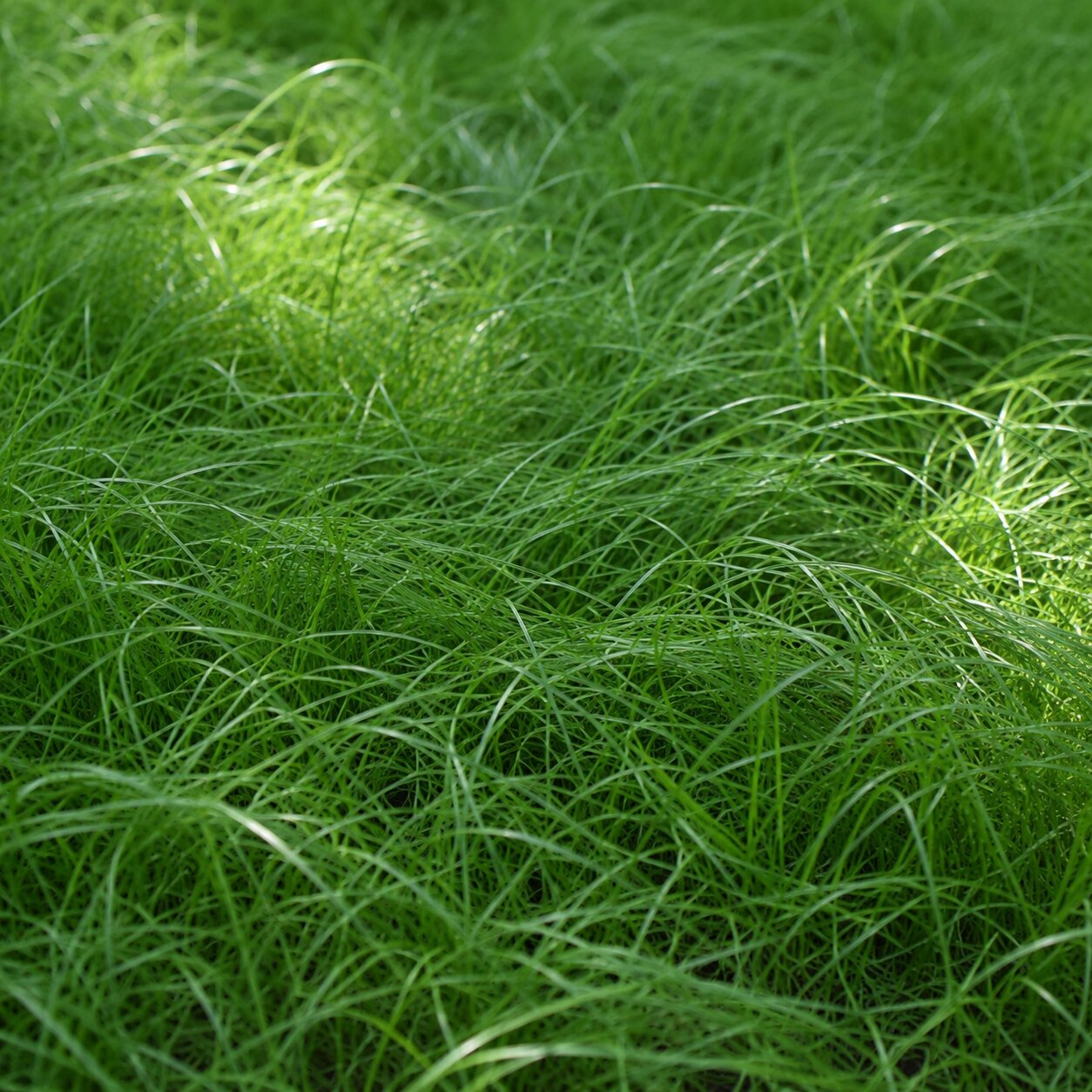
Creeping Red Fescue (Festuca rubra ssp. rubra) is the spreader of the fine-fescue family. Its creeping, rhizomatous habit fills in to form a soft, fine, shade-tolerant turf that establishes with little water or feed and blends seamlessly into eco-lawn mixes.
Seed specifications
| Species | Common name | Leaf / blade | Zone | Height | Bloom | ASPCA |
|---|---|---|---|---|---|---|
| Festuca rubra ssp. rubra | Creeping red fescue | Fine blade | 3–8 | 5–8 in unmowed | Insignificant | Non-toxic |
Why choose Creeping Red Fescue Seed
Unlike the bunch-type fescues, creeping red fescue spreads by underground rhizomes, so it fills gaps and knits a continuous, soft, fine sward. That spreading habit makes it excellent for overseeding, repairing, and holding soil, as well as for a stand-alone fine lawn.
It is among the most shade-tolerant lawn grasses, which is why it appears in most quality shade and low-input blends. University of Minnesota Extension highlights fine fescues, including creeping red, as low-water, low-fertiliser grasses well suited to shade and naturalised lawns.
Keep it mown high or leave it long for a soft, flowing no-mow look. It prefers cool conditions and tolerates a wide range of soils, establishing best from an autumn or spring sowing.
Best uses
| Application | Suitability | Notes |
|---|---|---|
| Shady lawns | Excellent | Among the most shade-tolerant lawn grasses. |
| Low-mow and no-mow areas | Excellent | Fine, slow growth; leave long or mow rarely. |
| Overseeding and blending | Very Good | Knits into existing lawns and mixes. |
| Soil-holding on banks | Very Good | Rhizomes bind the surface. |
| Cool-climate lawns | Very Good | Hardy and fine-textured in cool seasons. |
| Hot, high-traffic sun lawns | Moderate | Prefers cool conditions. |
The three fine fescues at a glance
| Property | Hard fescue | Creeping red fescue | Chewings fescue |
|---|---|---|---|
| Habit | Dense bunch | Spreading (rhizomes) | Dense bunch (upright) |
| Drought tolerance | Excellent | Good | Good |
| Shade tolerance | Good | Excellent | Very good |
| Texture | Fine, blue-green | Fine, soft | Fine, upright |
| Best for | Lean, dry, low-input | Shade and knitting-in | Fine, refined turf |
Zone & climate compatibility
| Zone | Performance | Notes |
|---|---|---|
| Zone 3–5 | Excellent | Cold-hardy; sow Apr–May once soil hits ~50°F. Stays fine and tight in cool seasons. |
| Zone 5b–7 | Excellent | Best overall performance. Autumn sowing (Aug–Sep) gives the strongest first-season stand. |
| Zone 8–9 | Very Good | May idle in peak summer heat and recover in autumn; a light autumn overseed keeps density. |
How to sow Creeping Red Fescue Seed
- Prepare a firm, weed-free seedbed. Rake to a fine, level surface, clearing debris and breaking any crust so seed meets soil.
- Sow at 4– per 1,000 sq ft for a new fine-fescue lawn (about half that to overseed), cross-sowing for even cover.
- Rake in lightly and firm. Barely cover the fine seed and roll or tamp for good seed-to-soil contact.
- Keep the surface moist. Water lightly once or twice a day until germination, usually within 7–14 days.
- Mow high once established. Wait until seedlings reach 3–4 in, then keep the mower at 3–4 in; fine fescues resent close mowing.
- Sow in early autumn or spring into soil around 50–65°F for the strongest first-season stand.
Care & maintenance
- Mow at 3–4 in. Fine fescues resent close mowing; taller is healthier and more drought-proof.
- Feed little, if at all. Fine fescues are low-input and can thin under heavy nitrogen.
- Water deeply and infrequently once established; they tolerate dry spells and often go summer-dormant, then recover.
- Overseed thin spots in autumn to keep density in shade or wear areas.
Sources
- Oregon State University — fine fescues: extension.oregonstate.edu
- University of Minnesota Extension — fine fescue lawns: extension.umn.edu
- Penn State Extension — low-maintenance turf: extension.psu.edu
- USDA PLANTS Database: plants.usda.gov
Related fescue seed: Shadecraft Fine Fescue Lawn NoMowLawn No-Mow Eco-Lawn
Explore more: Shop all eco-lawn seed Compare seed by need