Description
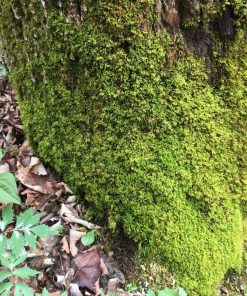
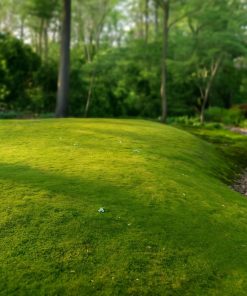
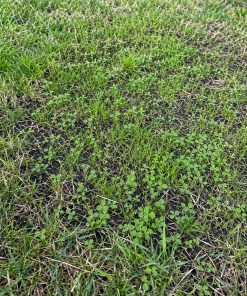
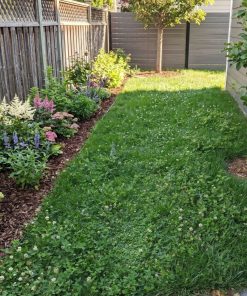
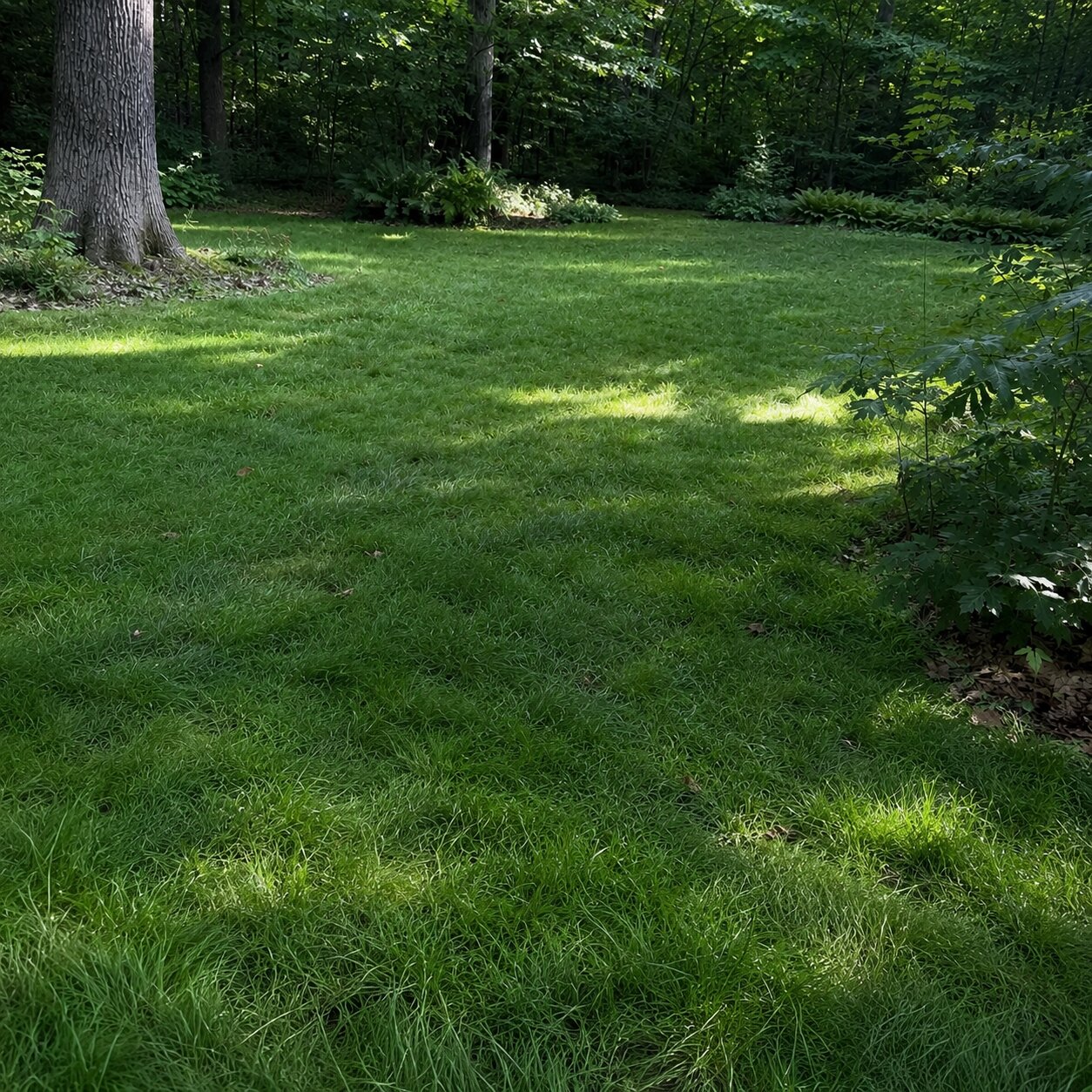
Dry-Shade Understory Mix is made for the hardest lawn spot of all: dry shade under mature trees. Native Pennsylvania sedge and shade-tolerant fine fescue cope with root competition and low light to give a soft, low, mow-optional understory where standard turf fails.
Seed specifications
| Species | Common name | Leaf / blade | Zone | Height | Bloom | ASPCA |
|---|---|---|---|---|---|---|
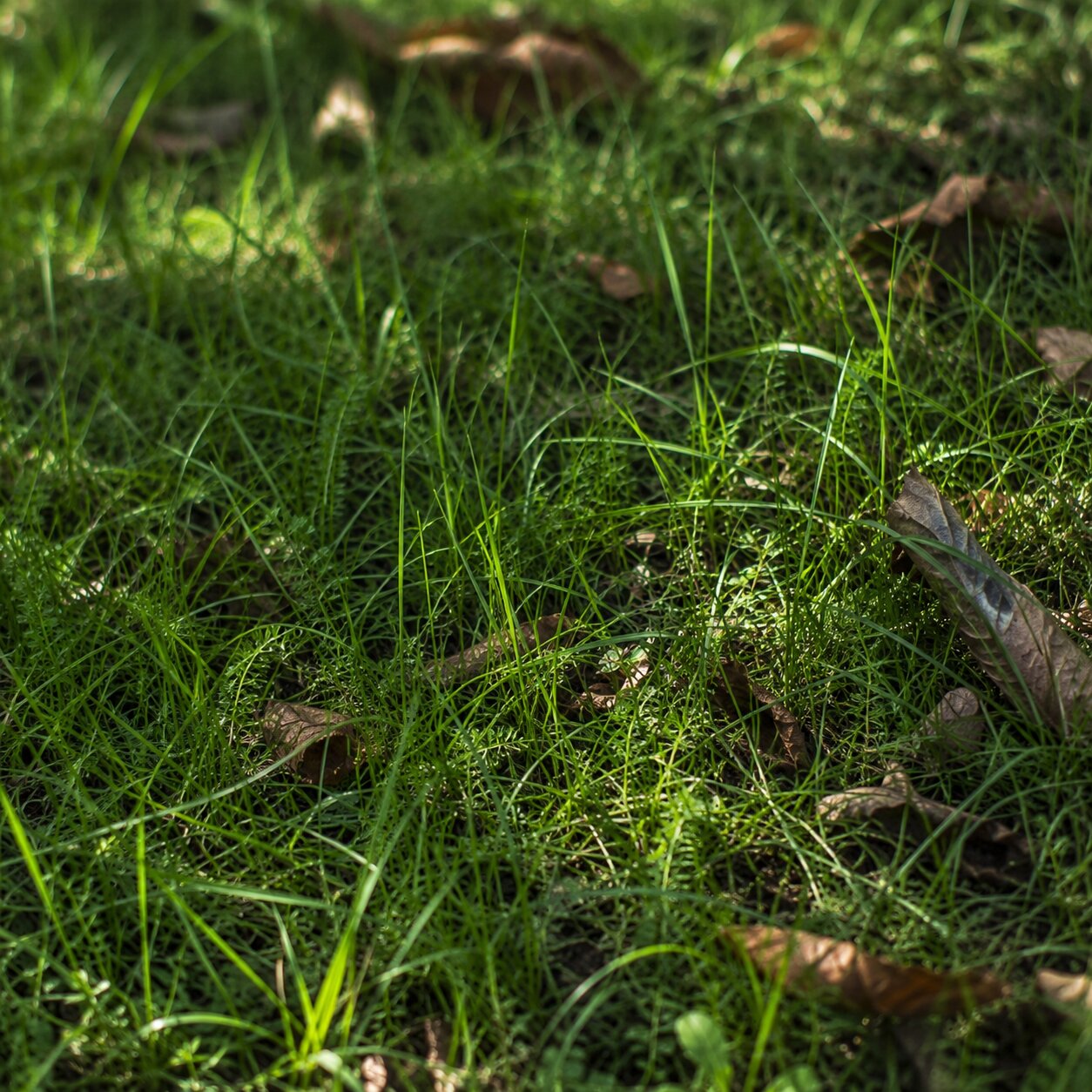
| Carex pensylvanica | Pennsylvania sedge | Fine blade | 3–8 | 6–8 in | Insignificant | Not toxic-listed |
| Festuca spp. (fine) | Fine fescue | Fine blade | 3–8 | 5–9 in unmowed | Insignificant | Non-toxic |
Why choose Dry-Shade Understory Mix
Dry shade defeats most lawns because of two stresses at once — low light and thirsty tree roots. Pennsylvania sedge (Carex pensylvanica) is a fine, native, cool-season sedge adapted to exactly these woodland conditions, spreading slowly into a soft, low sward, as documented in the USDA PLANTS database.
Blended with fine fescue — among the most shade-tolerant lawn grasses — the sedge forms a naturalistic, low-input understory that reads as a soft green carpet rather than a struggling lawn. Both species are low and slow, so mowing is optional.
This is a specialist mix: it is happiest in shade to part shade with competition from roots, and it will not perform as a sunny, high-traffic play lawn. Where grass has repeatedly failed under trees, it is one of the few realistic living ground covers.
Best uses
| Application | Suitability | Notes |
|---|---|---|
| Dry shade under trees | Excellent | Tolerates root competition and low light better than turf. |
| Woodland-edge and naturalistic lawns | Very Good | Soft, low, native-led ground cover. |
| Low-mow areas | Excellent | Leave unmown or cut a few times a year. |
| Erosion under canopy | Very Good | Roots hold soil on shaded banks. |
| Part-shade lawns | Very Good | Handles dappled light well. |
| Full sun, high-traffic lawns | Moderate | Best in shade; not a sports surface. |
This understory mix vs a standard lawn in dry shade
| Property | Sedge & fine-fescue understory | Standard turf grass |
|---|---|---|
| Dry shade | Tolerant | Thins and fails |
| Tree-root competition | Adapted | Struggles |
| Mowing | Optional | Regular |
| Native content | Native sedge | None |
| Water and feed | Low | Higher |
| Full-sun sports wear | Moderate | Good |
Zone & climate compatibility
| Zone | Performance | Notes |
|---|---|---|
| Zone 3–5 | Excellent | Cold-hardy; sow Apr–May once soil hits ~50°F. Stays fine and tight in cool seasons. |
| Zone 5b–7 | Excellent | Best overall performance. Autumn sowing (Aug–Sep) gives the strongest first-season stand. |
| Zone 8–9 | Very Good | May idle in peak summer heat and recover in autumn; a light autumn overseed keeps density. |
How to sow Dry-Shade Understory Mix
- Prepare a firm, weed-free seedbed. Rake to a fine, level surface. For overseeding, mow the existing lawn to 1.5–2 in and scratch up thin or bare areas so seed reaches the soil.
- Broadcast at the right rate. Sow at about 1–2 lb per 1,000 sq ft for a new lawn, or ½–1 lb per 1,000 sq ft to overseed. Cross-sow half the seed in a second direction for even cover.
- Keep seed shallow. Rake lightly for soil contact and roll or tamp; do not bury fine clover and fescue seed — it needs light contact with the surface.
- Water lightly and often. Keep the surface consistently moist with one or two light waterings a day until seedlings appear — typically 7–14 days for fescue and clover.
- Hold the first mow. Let seedlings reach 3–4 in and root in before the first cut, then mow high (2.5–3 in) through the first season.
- Sow in the right window. Early autumn is ideal in most regions; spring works where summers are mild. Aim for soil temperatures of about 50–65°F.
Care & maintenance
- Mow high and rarely. Keep the blade at 2.5–3.5 in; taller growth shades soil, holds moisture, and crowds out weeds.
- Skip the nitrogen. The clover fixes its own; over-feeding with synthetic nitrogen favours grass and weeds over clover.
- Water deeply, not often, once established to encourage deep roots.
- Top-up overseed each autumn in high-traffic or hot-summer areas to keep the stand dense.
Sources
- Oregon State University — fine fescues: extension.oregonstate.edu
- University of Minnesota Extension — fine fescue lawns: extension.umn.edu
- Penn State Extension — low-maintenance turf: extension.psu.edu
- USDA PLANTS Database: plants.usda.gov
Related mixes: Shadecraft Fine Fescue Lawn NoMowLawn No-Mow Eco-Lawn
Explore more: Shop all eco-lawn seed Compare seed by need