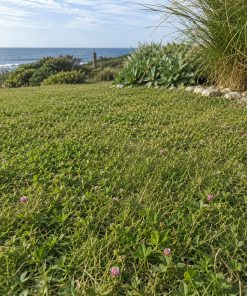

Description
ShadeMeadow contains four native North American species selected for complementary bloom times, layered heights and the ability to thrive in dappled to moderate shade: Self-Heal (Prunella vulgaris), Wild Columbine (Aquilegia canadensis), Wild Geranium (Geranium maculatum), and Foamflower (Tiarella cordifolia). Non-GMO. Native species. Zones 3–8.
What’s in ShadeMeadow
| Species | Common name | Height | Bloom colour | Bloom time | Key feature |
|---|---|---|---|---|---|
| Prunella vulgaris | Self-Heal | 4–12 inches | Purple-pink | June–September | Mow-tolerant, bee forage, spreads by stolons |
| Aquilegia canadensis | Wild Columbine | 12–24 inches | Red & yellow, nodding | April–June | Hummingbird magnet, self-seeds freely |
| Geranium maculatum | Wild Geranium | 12–24 inches | Pink-lavender | April–June | Deer resistant, long-lived, dappled shade |
| Tiarella cordifolia | Foamflower | 6–12 inches | White-cream froth | April–May | Spreads by stolons, best deep shade performer |
How the Mix Works Together
Each species in ShadeMeadow fills a different layer and season. Foamflower and Self-Heal form the ground layer at 4–12 inches — both spread by stolons to create a weed-suppressing mat. Wild Columbine and Wild Geranium rise to 12–24 inches above, providing the mid-layer spring display. The result is a continuous planting from ground level upward, with blooms from April through September and something of interest in every month of the growing season.
| Month | What’s happening |
|---|---|
| April–May | Foamflower white spikes open. Wild Columbine nods begin. Wild Geranium pink-lavender blooms. Hummingbirds arrive. |
| May–June | Wild Geranium at peak. Columbine in full display. Self-Heal beginning. |
| June–July | Columbine and Geranium fading. Self-Heal purple spikes at peak — bees feeding. |
| August–Sept | Self-Heal continues. Foamflower and Geranium foliage holds green ground layer. |
| October+ | Foamflower semi-evergreen. Geranium and Columbine seed heads for birds. |
Site Requirements
| Factor | Requirement |
|---|---|
| Shade | Dappled to moderate shade (2–5 hrs sun). All four species native to woodland understory. |
| Soil moisture | Moist to medium. Foamflower prefers consistently moist; Self-Heal tolerates drier sites. |
| Soil type | Humus-rich, woodland-type preferred. Tolerates clay and sandy soils. |
| pH | 5.5–7.0 — slightly acidic woodland soils are ideal. |
| Traffic | Light only. Not a walkable lawn — a naturalised area planting. |
| Mowing | Do not mow. Allow to grow freely. Self-Heal can tolerate light occasional mowing if needed. |
Planting Guide
Autumn sowing — strongly recommended
Multiple species in this mix benefit from cold stratification. Autumn sowing allows natural winter cold to stratify seeds in the ground, resulting in stronger spring germination. Spring sowing works but year-1 establishment may be patchy — some species will not emerge until year 2.
- Clear the area of existing grass or invasive weeds. Do not leave competition — shade wildflowers establish slowly.
- Rake to expose bare soil. Light scarification improves seed-to-soil contact.
- Sow at per 1,000 sq ft. Mix seed with dry sand for easier broadcast distribution.
- Press seed into the surface. Do not bury deeper than ⅛ inch.
- Water in after sowing. Autumn rain will maintain moisture through stratification.
- Spring: germination begins as soil reaches 50°F. Expect the Foamflower and Self-Heal to lead; Columbine and Geranium may follow 2–4 weeks behind.
When to plant
| Region | Autumn sowing | Spring sowing |
|---|---|---|
| Zones 3–5 | September–October | May (after last frost) |
| Zones 6–7 | October–November | April–May |
| Zone 8 | October–December | March–April |
Companion Planting
ShadeMeadow pairs naturally with SedgeLawn (Pennsylvania Sedge), which provides the grass-like ground layer beneath the wildflower planting. The four species in this mix naturally co-occur with Pennsylvania Sedge in woodland settings — sowing both together recreates a functional native woodland floor.
Frequently Asked Questions
Will it spread on its own?
Yes. Foamflower spreads by stolons to form colonies. Wild Columbine self-seeds prolifically. Wild Geranium expands slowly by crown division. Self-Heal spreads by stolons and seed. A planting established in year 1 will occupy significantly more ground by year 3 without any intervention.
Is it deer resistant?
Wild Geranium and Wild Columbine are both listed as deer resistant by most native plant authorities. Self-Heal is less reliably avoided. Foamflower is moderately deer resistant. For high deer-pressure sites, the Geranium and Columbine components will persist better than the others.
Can I add other shade plants to it?
Yes — ShadeMeadow is designed as a foundation mix. Common additions for a richer woodland planting include Wild Blue Phlox (Phlox divaricata), Solomon’s Seal, Native Violets and Woodland Asters.