Description
ⓘ Pennsylvania Sedge seed requires cold stratification for spring sowing. Mix seed with moist sand and refrigerate for 60 days before spring planting. For easier establishment, sow directly in autumn and allow natural winter cold to stratify seed in the ground.
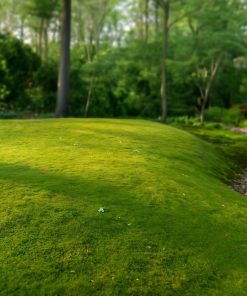
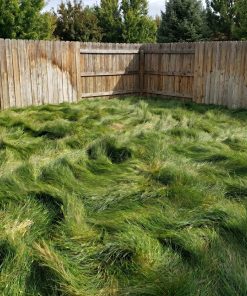
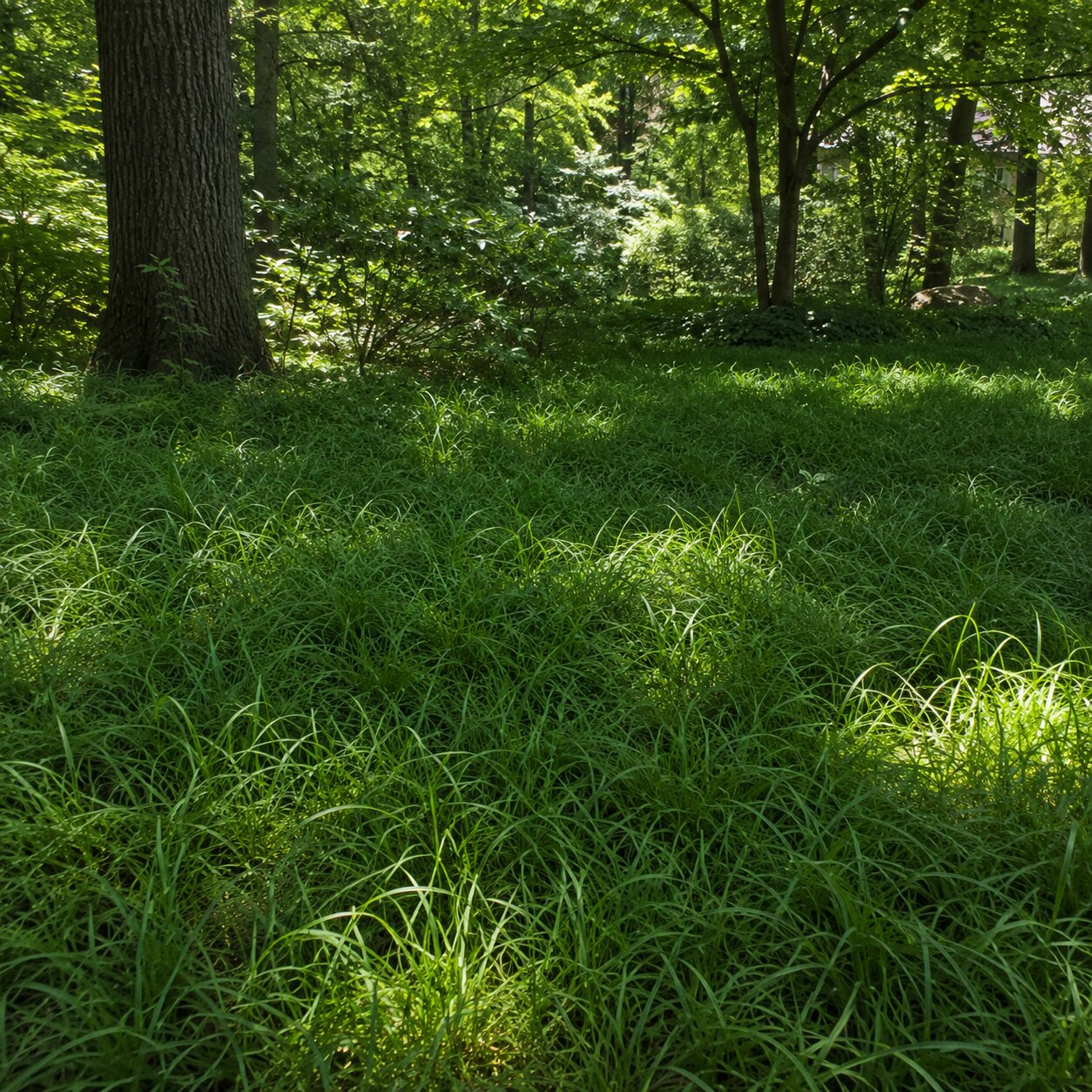
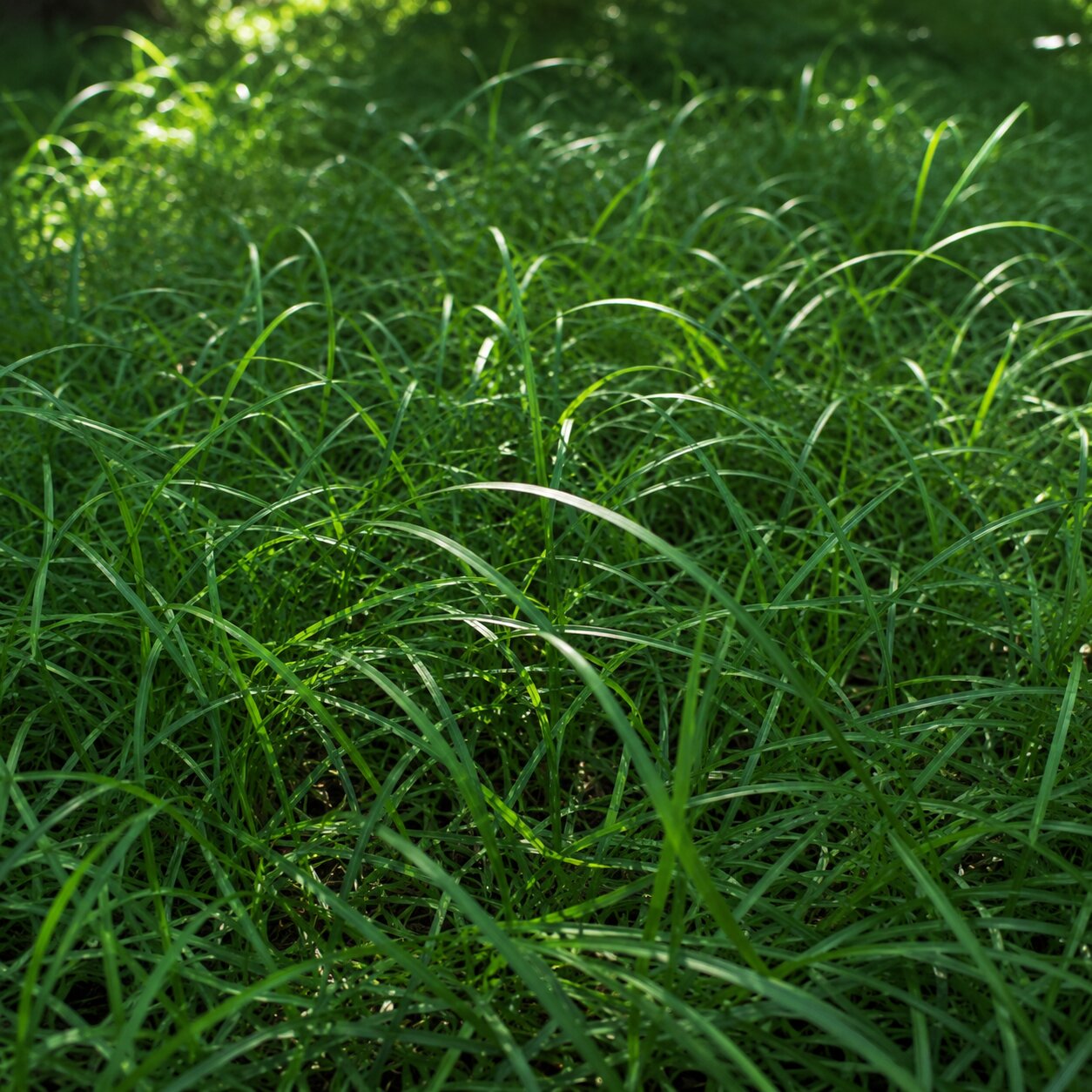
SedgeLawn is 100% Carex pensylvanica (Pennsylvania Sedge) — a native North American sedge that spreads by rhizomes to form a dense, no-mow ground cover in dry to medium-shade conditions. It is the go-to native plant for the hardest lawn problem: dry shade under established trees. Deer resistant, semi-evergreen, and completely self-sustaining once established. Zones 3–8.
SedgeLawn Specifications
| Species | Type | Height | Spread | Shade | Native range | Zones |
|---|---|---|---|---|---|---|
| Carex pensylvanica | Rhizomatous native sedge | 6–8 inches | 3–8 inches/yr by rhizome | Full shade to part sun | ME to WI, south to AR and GA | 3–8 |
The Dry Shade Problem — Solved
Dry shade under mature trees is one of the most challenging spots in any garden. Tree roots absorb water, tree canopy blocks sun and rain, and fallen leaves change soil pH. Conventional turf grasses fail. Most shade-tolerant grass blends thin out. Pennsylvania Sedge evolved specifically in this habitat — it is one of the most common ground covers in oak woodlands from New England to the Deep South.
| Site condition | Grass | ShadeCraft | SedgeLawn |
|---|---|---|---|
| Deep shade (1–3 hrs sun) | Fails | Struggles | Thrives |
| Dry shade under oaks | Fails | Thin | Native habitat |
| Dry shade under conifers | Fails | Marginal | Establishes |
| Moderate shade (3–5 hrs sun) | Poor | Good | Excellent |
| Heavy foot traffic | Fair | Moderate | Not suitable |
| Mowing required | Yes | Infrequent | None |
| Deer resistance | None | None | Yes |
How It Spreads
Pennsylvania Sedge spreads by underground rhizomes at 3–8 inches per year depending on moisture. Individual plants join up over 2–4 years to form a continuous, weed-suppressing mat. Unlike bunchgrasses, it fills gaps on its own — bare patches between plants gradually close without intervention. Once the mat is established, it is effectively maintenance-free and self-renewing.
Establishment: What to Expect
ⓘ Pennsylvania Sedge is slower to establish from seed than any other product in our range. Seeds require cold stratification, germinate slowly, and plants spread gradually in years 1–3. If you need faster coverage, consider starting with plugs (from a native plant nursery) and interplanting seed to fill gaps.
| Timeline | What happens |
|---|---|
| Autumn sow (recommended) | Direct sow in October–November. Cold winter naturally stratifies seed. Germination begins in spring. |
| Spring sow | Requires 60-day cold stratification in moist sand in refrigerator before sowing in April–May. |
| Year 1 | Sparse seedlings emerge. 3–6 inches of growth. Looks thin — expected. |
| Year 2 | Rhizome spread begins. Individual plants 6–12 inches across. |
| Year 3 | Plants joining up. Ground cover taking shape in most areas. |
| Year 4–5 | Full dense carpet. Self-sustaining. Zero maintenance required. |
Planting Guide
Autumn sowing (recommended)
- Clear the area of leaves and debris. Do not need to remove tree roots — Pennsylvania Sedge grows among them naturally.
- Rake the surface lightly to expose mineral soil. Good soil contact is essential.
- Sow at ¼ lb per 1,000 sq ft. Press seed into the soil surface — do not bury deeper than ⅛ inch.
- Do not water in — natural autumn rain handles establishment. The seed will stratify over winter and germinate in spring.
- Do not mulch heavily — seed needs light soil contact, not a thick leaf layer.
Spring sowing
- Mix seed with moist (not wet) sand in a sealed bag. Refrigerate for 60 days.
- Remove from refrigerator and sow immediately in April–May when soil is workable.
- Keep soil moist for 3–4 weeks during germination.
- Germination will be uneven — some seeds may not emerge until the following spring.
Soil & Site
| Factor | Requirement |
|---|---|
| Shade | Full shade to part sun (1–6 hours). The dry-shade specialist. |
| Soil moisture | Dry to medium — thrives in the dry soils under tree canopies. |
| Soil type | Sandy, loamy, clay — adaptable. Native to forest soils. |
| pH | 5.0–7.0 — tolerates acidic soils under conifers. |
| Traffic | Light only — not suitable for paths or play areas. |
| Mowing | None required. Optional single low cut in late winter resets the stand. |
| Fertiliser | None needed. Native woodland plant — prefers unfed soil. |
Frequently Asked Questions
Why is Pennsylvania Sedge seed so expensive?
Seed is difficult to harvest — the small seed heads shatter quickly when ripe and must be hand-harvested at precisely the right moment. This limits commercial supply and keeps prices higher than agricultural grass seed. The seed also requires handling (cold stratification) that adds to the cost of production.
Can I mix it with shade wildflowers?
Yes — Pennsylvania Sedge is a classic companion plant for native shade wildflowers. Wild Columbine (Aquilegia canadensis), Wild Geranium (Geranium maculatum), and Foamflower (Tiarella cordifolia) all grow naturally alongside it and appear in our ShadeMeadow blend for exactly this reason.
Is it deer resistant?
Yes — Pennsylvania Sedge is listed as unpalatable to deer, rabbits and other herbivores by multiple native plant authorities. This is a significant advantage in wooded areas with high deer pressure.