
The best lawn alternatives for tough soil
Clay, sand, slopes, salt and soggy ground — the right plant turns a problem site into a lawn.
The short version
Don’t fight your soil — pick a plant that likes it. Fine fescue thrives in lean, sandy, low-fertility ground; strawberry clover shrugs off salt and brief flooding; buffalograss is made for dry prairie soils; and deep-rooted covers hold slopes. All are pet-safe.
Know your site
Poor, sandy or lean soil. Fine fescue and creeping thyme actually prefer it — rich soil makes them floppy.
Salty or wet ground. Strawberry clover tolerates salt and short flooding that kill other lawns.
Slopes and erosion. Deep-rooted, spreading plants (fescue, clover, native grasses) knit the soil and cut mowing on banks.
Heavy clay or compaction. Tough natives and clover cope far better than fussy turf.
Best for problem sites
Tough-site and pet-safe
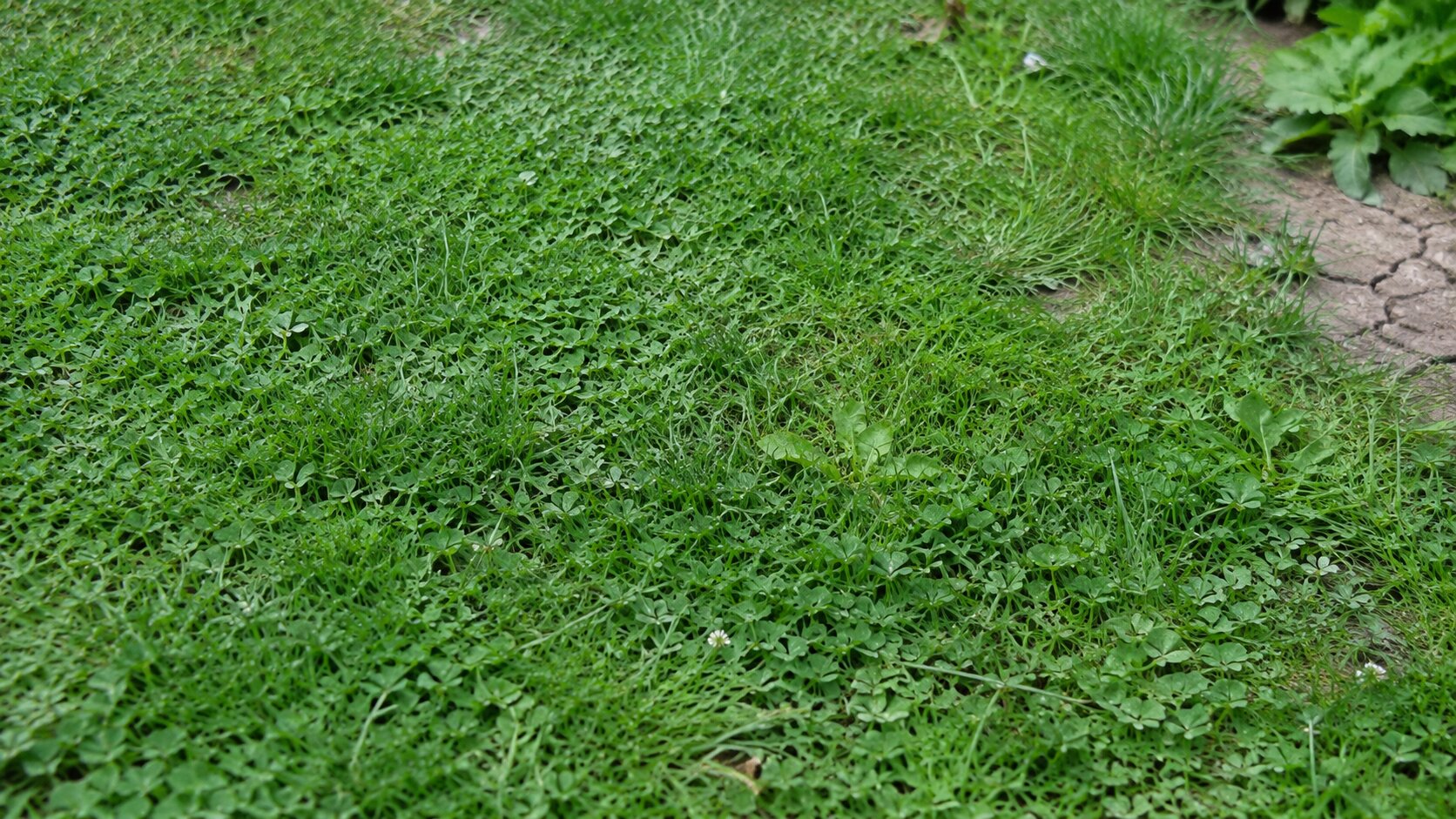
Fine fescue, strawberry and white clover, buffalograss and creeping thyme (Thymus serpyllum) all handle difficult ground and are pet-safe (clover is not on the ASPCA toxic list and thyme is not listed as toxic; the grasses aren’t listed as toxic). The trick is matching the plant to the problem rather than amending the whole site.
How to choose
Sandy, poor, sunny? Fine fescue or creeping thyme — both prefer lean ground.
Coastal, salty, or briefly floods? Strawberry clover, often blended with fescue.
Dry, heavy, central/western US? Buffalograss or a native-grass mix.
Steep bank? A deep-rooted clover–fescue blend to hold the slope and skip the mowing.