
Description
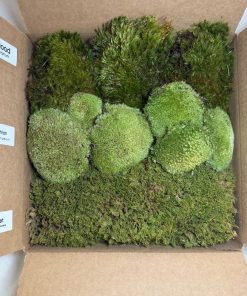
ⓘ Spoon Leaved Moss ships as live moss, dispatched fresh during the growing season. Plant promptly on arrival — lay on prepared ground and keep misted.
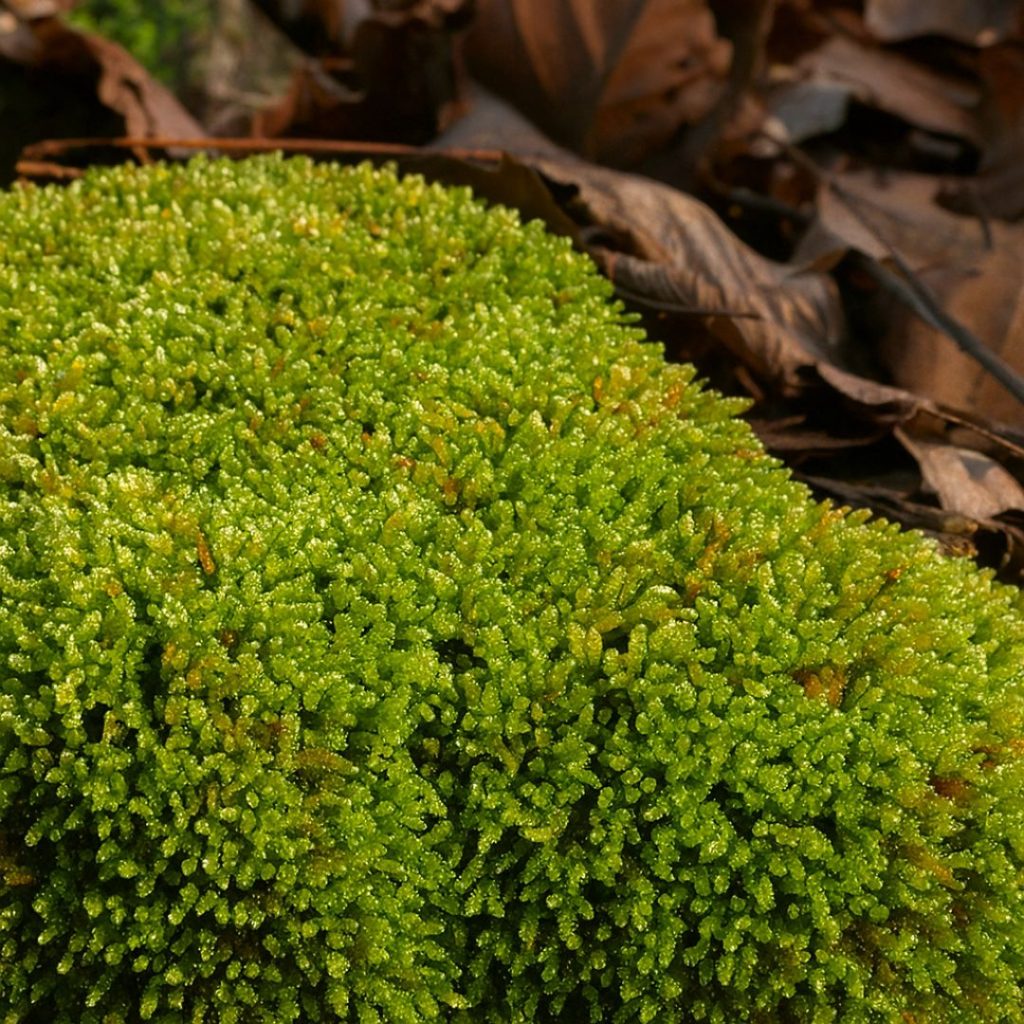
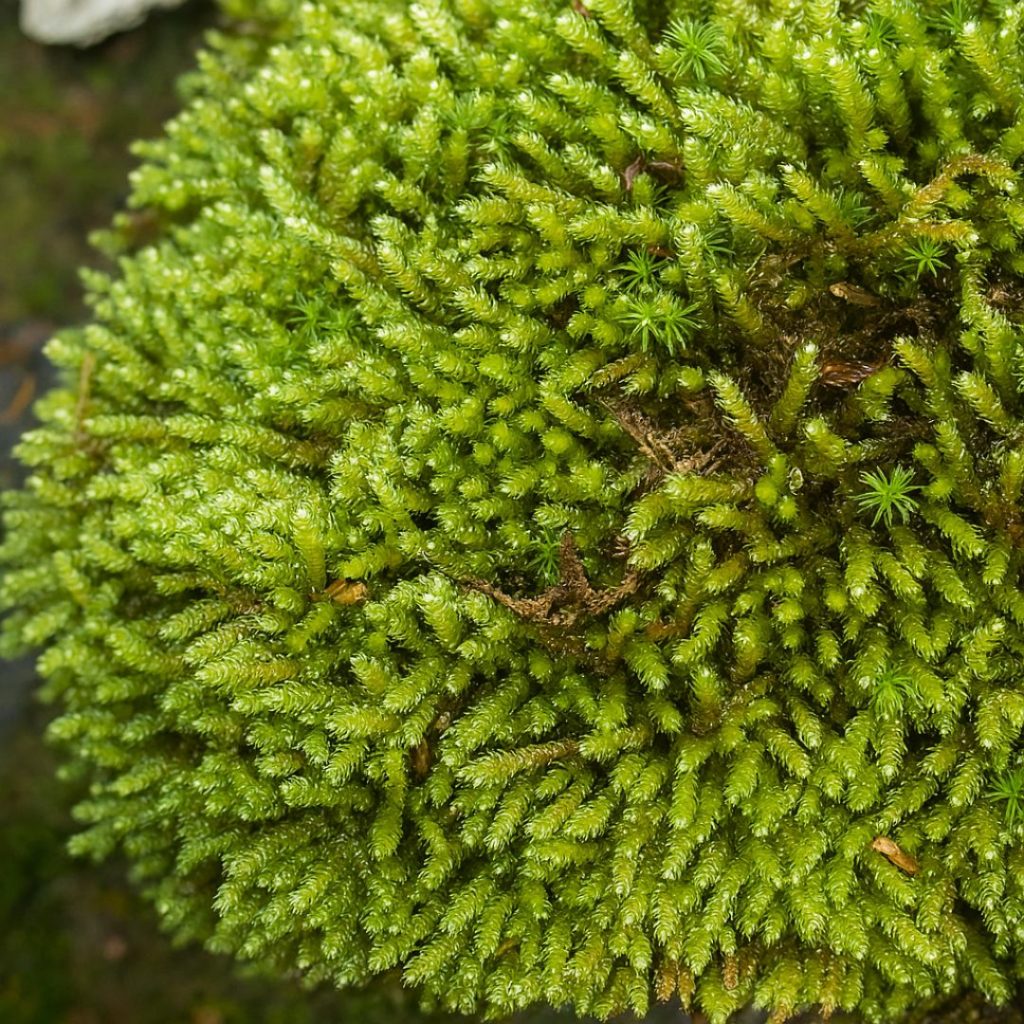
Spoon Leaved Moss has a distinctive glossy, rope-like texture that catches the light. It makes an unusual, refined groundcover for shaded beds, edges and understory.
Spoon Leaved Moss Specifications
| Species | Light | Moisture | Height | Traffic | Zones |
|---|---|---|---|---|---|
| Bryoandersonia illecebra | Shade to part shade | Medium | 0.5–1.5 in | Light | 4–9 |
Why Choose Spoon Leaved Moss
Spoon-leaved moss has glossy, worm-like trailing shoots that add sheen and texture to shaded and part-shade carpets. Like all true mosses, Bryoandersonia illecebra has no vascular roots — it grips soil, stone or bark with fine rhizoids and draws moisture and nutrients directly from air and rainfall. That means no mowing, no fertiliser and no irrigation once established: a genuinely zero-input living groundcover.
It performs best in part shade and even, cool light, bridging the gap between deep-shade mosses and full-sun species. Moss is poikilohydric — it can dry, pause, and revive when moisture returns — so an established patch shrugs off dry spells that would brown a lawn. It also prefers firm, low-fertility, slightly acidic ground, making it the honest answer for compacted or poor soil where grass is a constant struggle. Non-toxic to pets and children, evergreen, and silent underfoot.
About Spoon-Leaved Moss
Spoon-leaved moss (Bryoandersonia illecebra) is native to the woodlands of the southeastern United States, where it trails in glossy, plump, worm-like shoots across shaded soil and stone. The rounded, concave leaves that give it its name press close to the stem, producing a distinctive smooth sheen.
It adds glossy texture and movement to shaded and part-shade carpets, mixing well with sheet and fern moss for a varied, naturalistic surface.
Zone & Climate Compatibility
| Region | Performance | Notes |
|---|---|---|
| Zones 5–7 (cool-temperate) | Excellent | Its southeastern-woodland comfort zone; glossy, vigorous shoots. |
| Zones 7–8 (temperate) | Excellent | Reliable in shade with consistent moisture. |
| Zone 9 (warm) | Good | Deep, damp shade; maintain humidity through summer. |
Where Spoon Leaved Moss Works Best
| Situation | Suitability | Notes |
|---|---|---|
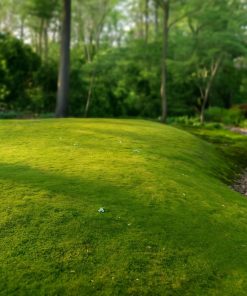
| Shaded beds & understory | Ideal | Establishes well here with firm surface contact and consistent moisture. |
| Border edges | Excellent | Naturalistic cover under canopy; keep consistently moist while establishing. |
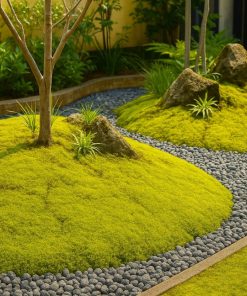
| Textural feature planting | Excellent | Sculptural living accent among stone; slow, tidy spread that holds its shape. |
| Full sun | Not suitable | Thrives in bright, open sites — one of the few mosses that takes direct sun once established. |
| Heavy traffic | Not suitable | Moss is light-traffic only; daily wear thins it — use a clover-grass mix for play areas. |
What to Expect
| Stage | What happens |
|---|---|
| At install | Lay or press moss onto cleared, firmed soil — no burial. Water in well. |
| Weeks 1–3 | Rhizoids grip the surface; keep consistently damp with daily misting. |
| Weeks 4–8 | Moss anchors down and begins to green up and spread at the edges. |
| Season 1 | Patches thicken and knit; established moss needs only occasional watering. |
How to Establish
- Clear the area of leaves, weeds and loose debris; moss needs firm contact with mineral soil or hardscape.
- Do not bury the moss — lay it on the surface and press down firmly for full contact.
- On slopes or hardscape, secure with an organic moss adhesive or landscape pins until anchored.
- Mist daily for the first 3–4 weeks. Moss has no roots — surface moisture drives establishment.
- Keep foot traffic light until the patch grips down and starts to spread.
Soil & Site
| Factor | Requirement |
|---|---|
| Light | Full to part shade — avoid hot direct afternoon sun. |
| Moisture | Consistent moisture, especially while establishing. |
| Soil | Firm, low-fertility soil or hardscape — moss dislikes loose, rich beds. |
| pH | Acidic (5.0–6.0) preferred. |
| Traffic | Light only. |
| Mowing | Never — moss is entirely no-mow. |
Frequently Asked Questions
What makes it “spoon leaved”?
Its concave, spoon-shaped leaves give glossy, rounded, worm-like stems with a texture unlike flat carpet mosses.
Where is it best used?
As a refined textural groundcover in shaded beds and along edges and understory plantings.
Is it pet-safe?
Yes — non-toxic to pets.
More questions
Why does it look glossy?
Its concave, spoon-shaped leaves wrap the stem tightly and reflect light, giving the shoots a smooth, worm-like sheen unusual among mosses.
Where is it native?
The shaded woodlands of the southeastern US, on soil, leaf litter and stone.
What does it combine well with?
Sheet moss and fern moss — its glossy trailing texture contrasts nicely with their flat and feathery surfaces.
Sources
- US Forest Service — Bryophytes (moss biology, rhizoids, poikilohydry, ecology): fs.usda.gov
- Missouri Botanical Garden — Plant Finder (species light, moisture & hardiness): missouribotanicalgarden.org
- ASPCA Animal Poison Control — moss non-toxicity to dogs, cats & horses: aspca.org
Pairs well with: Sheet MossFern MossCarpet Moss
Grow it from slurry, or secure it: Matching Moss MilkshakeMoss-Tac Pro adhesiveLive Moss Sample Box