
Description
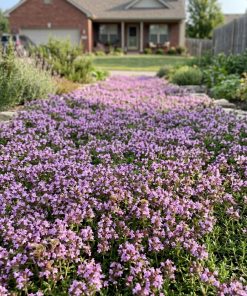
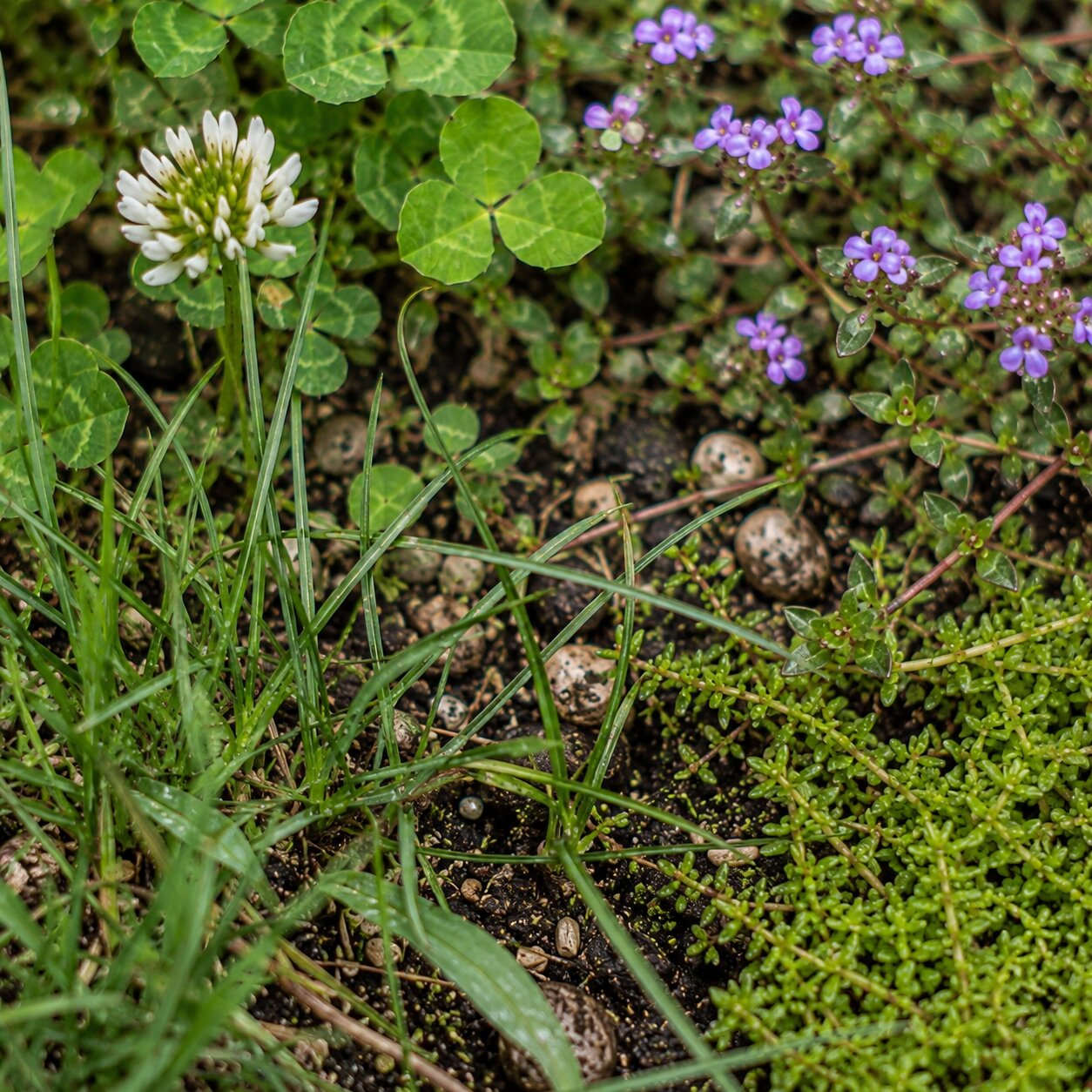
The Ground-Cover Seed Sampler is the low-risk way to choose. It provides small test-patch quantities of our four main ground-cover types — clover, creeping thyme, fine fescue, and Sagina — so you can see which establishes best in your soil, light, and climate before buying at full scale.
Seed specifications
| Species | Common name | Leaf / blade | Zone | Height | Bloom | ASPCA |
|---|---|---|---|---|---|---|
| Trifolium repens | White clover | 8–15 mm leaf | 3–10 | 4–8 in (2–4 mowed) | White, May–Sep | Non-toxic |
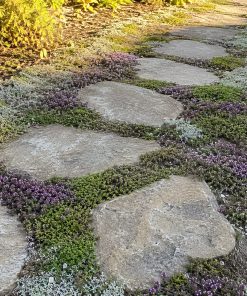
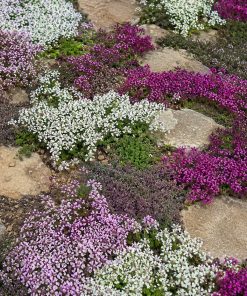
| Thymus serpyllum coccineus | Red creeping thyme | Tiny leaf | 4–9 | 2–4 in | Magenta, Jun–Aug | Non-toxic |
| Festuca spp. (fine) | Fine fescue | Fine blade | 3–8 | 5–9 in unmowed | Insignificant | Non-toxic |
| Sagina subulata | Irish moss | Fine awl leaf | 4–8 | 1–2 in | White, early summer | Not toxic-listed |
Why choose Ground-Cover Seed Sampler
Every yard is different, and the best ground cover for your site depends on your light, soil, moisture, and climate. Rather than guess, this sampler lets you sow small test patches of four very different options and watch how each performs under your real conditions.
The four represent the main routes to a low-input lawn: nitrogen-fixing white clover, fragrant creeping thyme, fine fescue grass, and cushiony Sagina moss. Each behaves differently on establishment, sun, and moisture, so a side-by-side trial quickly shows what suits your yard.
It is meant for testing, not full coverage — sow the patches, compare, then order a full-size bag of the winner. Note that thyme and Sagina establish more slowly than clover and fescue, so judge them over a full season.
Best uses
| Application | Suitability | Notes |
|---|---|---|
| Trialling ground covers | Excellent | Compare four types side by side on your own site. |
| New eco-lawn planners | Excellent | Low-risk way to choose before committing. |
| Small test areas | Very Good | Sized for patches, not whole lawns. |
| Comparing sun vs shade spots | Very Good | Test the same options in different positions. |
| Gifting to a curious gardener | Good | A sampler of the eco-lawn options. |
| Immediate full coverage | Moderate | A sampler is for testing; buy a full bag to plant out. |
This eco-lawn mix vs a conventional grass lawn
| Property | This eco-lawn mix | Conventional grass lawn |
|---|---|---|
| Fertiliser | Clover fixes nitrogen — little or no synthetic feed | Regular synthetic nitrogen |
| Water need | Lower once established | Higher, especially in summer |
| Mowing | Less frequent, mow high | Frequent through the season |
| Pollinators | Supports bees where it flowers | Little to no value |
| Wear | Good with the right mix | Good |
| Inputs and cost | Lower over time | Higher over time |
Zone & climate compatibility
| Zone | Performance | Notes |
|---|---|---|
| Zone 3–5 | Excellent | Cold-hardy; sow Apr–May once soil hits ~50°F. Stays fine and tight in cool seasons. |
| Zone 5b–7 | Excellent | Best overall performance. Autumn sowing (Aug–Sep) gives the strongest first-season stand. |
| Zone 8–9 | Very Good | May idle in peak summer heat and recover in autumn; a light autumn overseed keeps density. |
How to sow Ground-Cover Seed Sampler
- Prepare a firm, weed-free seedbed. Rake to a fine, level surface. For overseeding, mow the existing lawn to 1.5–2 in and scratch up thin or bare areas so seed reaches the soil.
- Broadcast at the right rate. Sow at about 1–2 lb per 1,000 sq ft for a new lawn, or ½–1 lb per 1,000 sq ft to overseed. Cross-sow half the seed in a second direction for even cover.
- Keep seed shallow. Rake lightly for soil contact and roll or tamp; do not bury fine clover and fescue seed — it needs light contact with the surface.
- Water lightly and often. Keep the surface consistently moist with one or two light waterings a day until seedlings appear — typically 7–14 days for fescue and clover.
- Hold the first mow. Let seedlings reach 3–4 in and root in before the first cut, then mow high (2.5–3 in) through the first season.
- Sow in the right window. Early autumn is ideal in most regions; spring works where summers are mild. Aim for soil temperatures of about 50–65°F.
Care & maintenance
- Mow high and rarely. Keep the blade at 2.5–3.5 in; taller growth shades soil, holds moisture, and crowds out weeds.
- Skip the nitrogen. The clover fixes its own; over-feeding with synthetic nitrogen favours grass and weeds over clover.
- Water deeply, not often, once established to encourage deep roots.
- Top-up overseed each autumn in high-traffic or hot-summer areas to keep the stand dense.
Sources
- University of Maryland Extension — white clover in lawns: extension.umd.edu
- University of Minnesota Extension — low-input and bee lawns: extension.umn.edu
- ASPCA — toxic and non-toxic plants (white clover): www.aspca.org
- USDA PLANTS Database: plants.usda.gov
Related seed: Finefolio Microclover Thymewalk Red Creeping Thymes Shadecraft Fine Fescue Lawn
Explore more: Shop all eco-lawn seed Compare seed by need