
Description
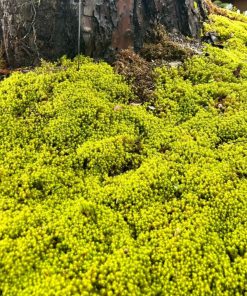
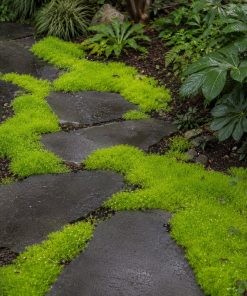
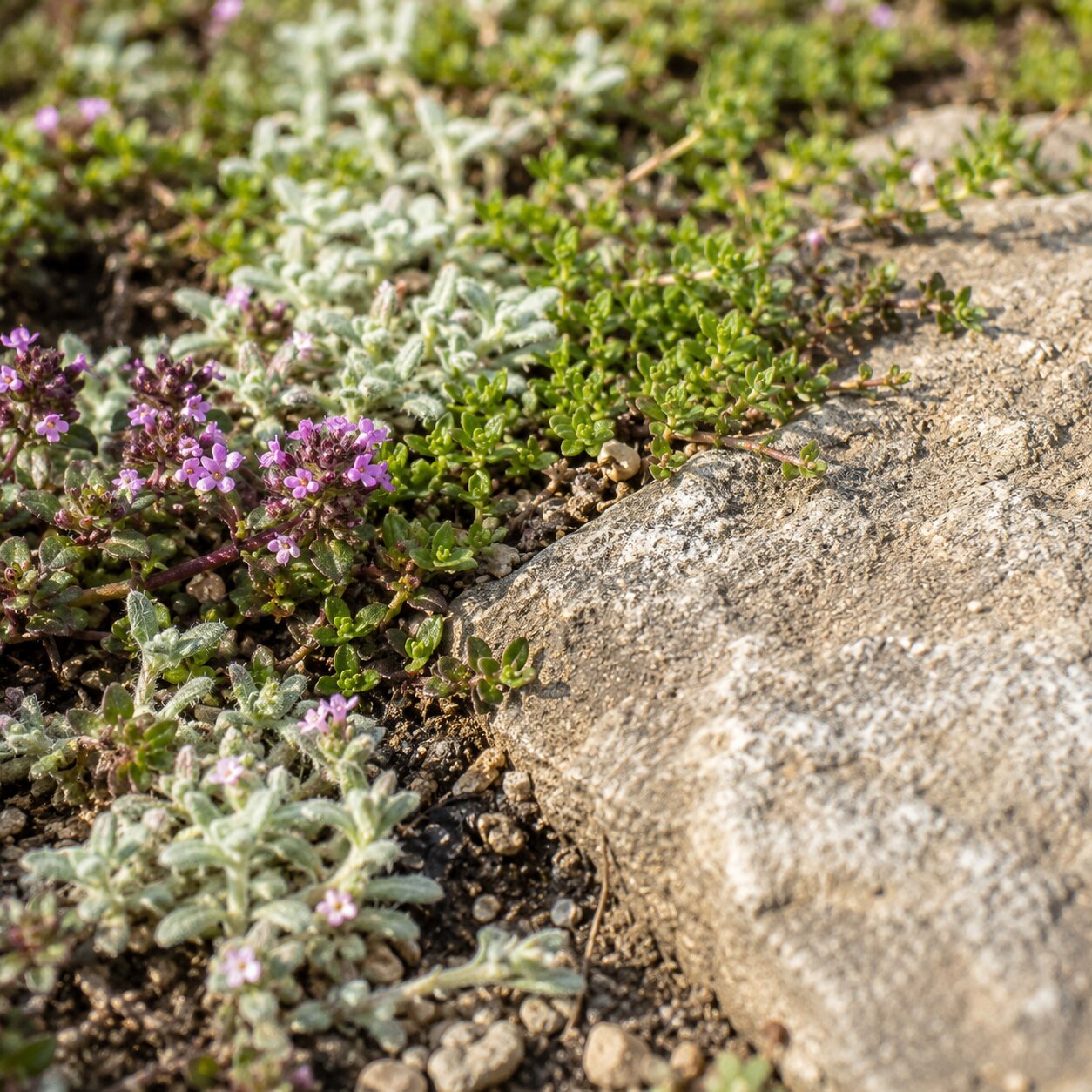
Fragrant Steppable Path Mix turns paths and stepping-stone gaps into a living, scented carpet. Three creeping thymes — red, elfin, and wooly — knit into a low, drought-tolerant mat that takes light foot traffic, flowers for pollinators, and releases fragrance whenever it is brushed or stepped on. No mowing, ever.
Seed specifications
| Species | Common name | Leaf / blade | Zone | Height | Bloom | ASPCA |
|---|---|---|---|---|---|---|
| Thymus serpyllum coccineus | Red creeping thyme | Tiny leaf | 4–9 | 2–4 in | Magenta, Jun–Aug | Non-toxic |
| Thymus serpyllum ‘Elfin’ | Elfin thyme | Tiny leaf | 4–9 | 1–2 in | Pink, summer | Non-toxic |
| Thymus pseudolanuginosus | Wooly thyme | Wooly grey leaf | 4–8 | 1–3 in | Sparse pink | Non-toxic |
ASPCA: All Thymus species are listed by the ASPCA as non-toxic to dogs, cats, and horses.
Why choose Fragrant Steppable Path Mix
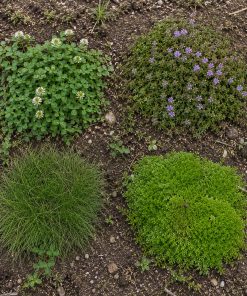
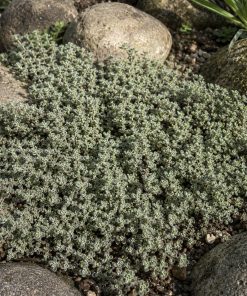
Three thymes give this mix its texture. Red creeping thyme brings magenta bloom and vigour, elfin thyme is the tightest and lowest for snug paver gaps, and wooly thyme adds a silver, fuzzy contrast. Together they knit into a tapestry that hugs the ground and closes over the joints between stones.
Creeping thyme is famously low-input. NC State Extension notes it germinates in about 14–21 days at 60–70°F and, once established, is highly drought-tolerant, thriving in lean, sunny, sharply drained ground where grass struggles. Expect a slow first year of root-building, then a fast Year 2 and a dense mat by Year 3.
It earns its keep underfoot: the mat tolerates light foot traffic, needs no mowing, and perfumes the air when walked on, while its summer flowers draw bees and other pollinators. All Thymus species are recognised by the ASPCA as non-toxic to dogs, cats, and horses.
Best uses
| Application | Suitability | Notes |
|---|---|---|
| Stepping-stone and paver gaps | Excellent | Low, tolerant of light stepping, never needs mowing. |
| Hot, dry, sunny borders | Excellent | Drought-tolerant once established; thrives in lean soil. |
| Pollinator planting | Very Good | Summer flowers draw bees and other pollinators. |
| Rock and gravel gardens | Very Good | Loves sharp drainage and reflected heat. |
| Fragrant seating areas | Excellent | Releases scent when brushed or walked on. |
| Wet, shaded, or heavy-clay sites | Poor | Needs full sun and sharp drainage; rots in wet shade. |
Creeping thyme varieties compared
| Variety | Height | Look | Best for |
|---|---|---|---|
| Red creeping | 2–4 in | Magenta bloom | Bold colour, paths |
| Elfin | 1–2 in | Tightest, slow | Paver gaps |
| Wooly | 1–3 in | Silver, fuzzy | Texture, rockeries |
| White | 2–3 in | White bloom | Contrast, borders |
| Mother of thyme | 2–4 in | Purple-pink, vigorous | Dependable cover |
Zone & climate compatibility
| Zone | Performance | Notes |
|---|---|---|
| Zone 4–5 | Very Good | Hardy but slower to establish; give it full sun and sharp drainage. |
| Zone 6–7 | Excellent | Ideal range; strong bloom and fast Year-2 spread. |
| Zone 8–9 | Very Good | Thrives with drainage; avoid soggy soil and excessive summer irrigation. |
How to sow Fragrant Steppable Path Mix
- Prepare a lean, gritty, weed-free bed in full sun. Thyme wants sharp drainage and a neutral-to-alkaline pH (about 6.5–8.0); work in grit if your soil holds water.
- Mix the fine seed with sand. Blend the tiny seed with dry, coarse sand at roughly 1 part seed to 4 parts sand so it broadcasts evenly.
- Surface-sow — do not cover. Scatter over the surface and press in; thyme seed is photoblastic and needs light to germinate. A useful rate is about 1/8 lb per 5,000 sq ft (double for faster cover).
- Mist to keep moist. Water with a fine mist so seed is not washed away, keeping the surface damp until germination — typically 14–21 days at 60–70°F.
- Expect a slow first year. Year 1 is root-building with roughly 30–50% cover; Year 2 fills to 70–90% and blooms; Year 3 is a dense, self-maintaining mat.
- Sow in late spring once soil has warmed, or start indoors and set out plugs 8–12 in apart for faster establishment.
Care & maintenance
- Do not overwater established thyme; it prefers lean, dry conditions and rots in soggy soil.
- Give one post-bloom trim in mid-to-late summer to keep the mat tidy and dense.
- Weed by hand in Year 1 while the mat closes; once dense it suppresses most weeds itself.
- No feeding needed — rich soil and fertiliser make thyme leggy and open.
Sources
- NC State Extension — Thymus serpyllum profile: plants.ces.ncsu.edu
- Penn State Extension — establishing ground covers: extension.psu.edu
- Colorado State University Extension — ground covers: extension.colostate.edu
- ASPCA — toxic and non-toxic plants: www.aspca.org
Related thyme seed: Thymewalk Red Creeping Thymes Thymeturf Creeping Thyme Grass Lawn
Learn more: Creeping thyme lawn guide How fast does creeping thyme grow?
Explore more: Shop all eco-lawn seed Compare seed by need